

You want that blistered crust and smoky flavor at home, but a prebuilt outdoor oven can cost as much as a patio set. Learning How To Build Pizza Oven Outdoor On Budget lets you get the same wood-fired results for a fraction of the cost, if you choose the right design and materials from the start.
In this 2026 guide, we walk you through the key decisions that determine cost, durability, and cooking performance. We have evaluated guides that focus on brick, cob, and hybrid builds so you can match a plan to your skills, space, and budget before you buy a single brick.
How to Choose
Building on a budget is not about cutting corners, it is about spending where it counts and saving where you can. The factors below will help you pick a method and a manual that keeps costs low without sacrificing heat retention or longevity.
1. Choose Your Build Type: Brick, Cob, or Hybrid
Brick dome ovens hold heat beautifully and can last for decades, but they require more firebrick, refractory mortar, and precise layout. Cob ovens made from sand, clay, and straw are the cheapest to build and very forgiving for first-time builders, though they need good weather protection and periodic maintenance. Hybrid or kit-assisted builds split the difference, using purchased components for the hearth and flue while you build the enclosure yourself.
Think honestly about your comfort level and tools. If you have masonry experience and access to a rolling tool chest for your outdoor shed with levels, trowels, and an angle grinder, a brick build is realistic. If you prefer a low-cost, in-depth weekend project with minimal cutting, cob is often the smartest budget path and the most forgiving if your measurements are not perfect.
2. Foundation, Dome, and Flue Design That Controls Cost
The foundation is where budget builds most often fail. You do not need a deep reinforced slab for a small cob oven, but you do need a stable, level, and well-drained base that will not shift, settle, or crack after the first winter. Look for plans that clearly detail footing depth, rebar placement, and insulation layers under the hearth, so you do not have to rebuild next season.
Dome shape and flue placement affect both cost and how well your oven cooks. A lower, well-proportioned dome heats faster, uses less wood, and needs fewer materials than a tall dome. A properly placed flue draws smoke away without pulling heat out of the chamber. The best guides, like those offering 3 complete build plans with foundation, dome, flue, and curing steps, help you avoid expensive mistakes and let you compare sizes before you commit.
3. Materials and Sourcing Without Overspending
Firebrick for the hearth, perlite or vermiculite for insulation, and refractory mortar are your biggest expenses. Budget-conscious guides show you where you can substitute and where you should not, such as using salvaged brick for the outer arch or base but never for the cooking floor itself. Sourcing locally, checking salvage yards, and buying insulation in bulk can cut costs significantly compared to ordering everything online.
Consider what you already have and what will last. Much like choosing a raised garden bed galvanized for backyard where material longevity matters in outdoor conditions, an oven benefits from durable, heat-rated components. A good manual will list affordable alternatives, explain how a proper insulating layer saves you fuel for years, and show you how to mix cob or mortar correctly so you do not waste materials.
4. Size, Fuel, and How You Will Actually Use It
A 32 to 36 inch interior is plenty for two 12 inch pizzas at once and keeps material costs, wood use, and heat-up time down. Larger ovens look impressive but need more brick, more wood, and a longer preheat to reach pizza temperatures. Decide if you will cook weekly for family or occasionally for parties, and size your oven to your real routine, not your dream party.
Wood is the classic fuel and cheapest if you have a local source for hardwood, but your design should handle charcoal in a pinch. Think about placement too, near your prep area, with good airflow and away from prevailing wind. If you already manage outdoor systems like a compost tumbler dual chamber for beginners, you understand how location affects daily use, and the same logic applies to keeping your oven convenient and safe to operate.
5. Clarity of Plans and Learning Support
On a budget, mistakes are expensive because every cracked dome or failed mortar joint costs materials and time. The most valuable guides give you step-by-step photos, cut lists, material quantities, and detailed curing schedules, plus troubleshooting for common cracks. We prioritize manuals that explain fire science and heat flow in plain language so you understand why each layer, from hearth insulation to dome thickness, matters for performance.
Some resources focus on building, others on cooking. A guide centered on 45 pizzas for grill or oven with wine pairings is perfect once your oven is done and you want to master recipes, but for construction you want detailed diagrams and plain-language instructions. Choose a building bible that matches your learning style, whether you prefer traditional craftsmanship rooted in timeless methods or a modern DIY handbook approach with simplified steps.
A Few Picks Worth Considering
To help you compare budget approaches, we selected a few guides that cover different methods, from ultra-low-cost cob to durable brick with full foundation plans. Think of these as starting points to evaluate building style and detail level, not an exhaustive list of every option.
This article contains affiliate links. If you buy through one of our links, The Yardstead may earn a commission at no extra cost to you. Commissions never influence which products we recommend or how we rank them. Read our Affiliate Disclosure for details.
Quick Picks at a Glance

Prime Fire + Wine Backyard Pizza Cookbook

Prime The Wood-Fired Oven Bible

Prime How to Build a Backyard Pizza Oven
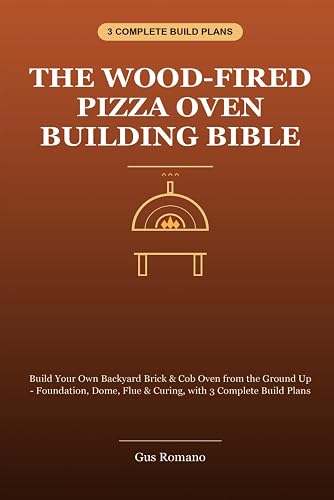
Prime Wood-Fired Pizza Oven Building Bible
As an Amazon Associate we earn from qualifying purchases. Product prices and availability are accurate as of the date/time indicated.
Pros
- Highly praised for clear, conversational instructions that fix common problems like burnt crusts
- Wide variety covers classics, veggie, gluten-free, breakfast and dessert pizzas
- Beautiful full-page photography with step-by-step dough and sauce visuals
- Unique sommelier wine pairing guidance adds value beyond typical cookbooks
Cons
- Focused on outdoor ovens and grills, with limited indoor oven instructions
- Wine pairing content is less relevant for non-drinkers
- Experienced pizza makers may find some classic recipes familiar
Fire + Wine Backyard Pizza is a 224-page cookbook from pitmaster Sean Martin and sommelier Mary Cressler, designed for outdoor cooking. It is perfect for backyard hosts, beginners with a grill or tabletop oven, and families who want more variety than takeout.
Standout features include 45 recipes covering classics, veggie, gluten-free, breakfast and dessert pizzas, each paired with a recommended wine. Readers highlight the clear, conversational instructions and practical tips that solve common issues like burnt crusts and undercooked toppings, even on basic charcoal grills.
The book is well produced by Sasquatch Books with a sturdy softcover, vibrant full-page photography and step-by-step dough guides. At 7.29 x 8.47 inches it is compact enough for outdoor use while remaining easy to read beside the grill.
Drawbacks are modest but worth noting. The focus is strictly outdoor cooking, so indoor oven instructions are limited. Wine pairings will appeal most to those who enjoy wine, and experienced pizzaiolos may find some classics familiar.
Overall, this is an accessible, beautifully presented guide that upgrades backyard pizza night with reliable techniques and creative recipes. Highly recommended for casual cooks and entertainers who want impressive results without professional equipment.
Publisher: Sasquatch Books
Publication Date: April 1, 2025
Language: English, 224 pages
ISBN-10: 163217541X / ISBN-13: 978-1632175410
Dimensions: 7.29 x 0.66 x 8.47 inches, 1.22 pounds
Category: Wine Pairing, Pizza Baking, Outdoor Cooking
Pros
- Comprehensive end-to-end coverage from site planning to culinary mastery in one volume
- Covers both modern refractory and reclaimed materials with clear mortar ratios and techniques
- Strong focus on often overlooked details like flue engineering, insulation, and curing
- Practical and accessible for homesteaders, DIYers, and outdoor cooking enthusiasts
Cons
- Only 132 pages, which may feel condensed for such a complex masonry project
- Independently published so it lacks the editorial polish and visuals of larger reference books
- Requires significant time, tools, and hands-on masonry skill, not ideal for casual beginners
The Wood-Fired Oven Bible by Isaac Landry is a practical 132-page DIY manual that guides you through designing and building a fully functional backyard wood-fired oven from the ground up. It is written for homesteaders, DIY enthusiasts, and outdoor cooking lovers who want a rewarding, craftsmanship based project instead of a prefab kit.
Its standout strength is complete step-by-step coverage, from site planning and foundation prep to block stands, insulating slabs, and brick dome construction with refractory mortar ratios. It also dives into chimney and flue engineering, insulation systems, and curing schedules, then teaches fire science and heat zone management for consistent cooking results.
In terms of design and instruction, the book is logically structured and balances traditional and modern methods. It explains how to choose between refractory and reclaimed materials, improve draft and airflow, and apply vermiculite concrete shells and moisture control for lasting thermal efficiency and durability.
Drawbacks are modest but worth noting. The concise page count limits visual detail and advanced troubleshooting compared to larger masonry textbooks, and as a newly published independent title it has limited community feedback to validate real world builds. The project also demands considerable time, physical work, and basic masonry tools.
Verdict: For readers ready to commit to a serious backyard build, this is a focused and empowering guide. If you want one resource that teaches both construction and wood-fired cooking mastery, it offers clear, actionable direction to create a durable, high performance outdoor hearth.
Title: The Wood-Fired Oven Bible: A Practical DIY Guide to Designing and Building Your Own Wood-Fired Backyard Oven
Author: Isaac Landry
Publisher: Independently published
Publication Date: July 4, 2026
Language: English
Print Length: 132 pages
Dimensions: 8.5 x 0.3 x 11 inches
Item Weight: 11.5 ounces
ASIN: B0H7MRH61K
ISBN-13: 979-8185549094
Category: Design and Construction, Masonry Home Improvement
Site Planning and Foundation: How to evaluate your space, select materials, and prepare a stable, heat resistant base.
Structure and Dome Building: Block stand construction, insulating slabs, oven floor installation, and professional brick laying for the dome.
Airflow Engineering: Entryway design, chimney construction, and flue dynamics to control draft and performance.
Insulation and Curing: Thermal protection with vermiculite concrete, moisture control, firing schedules, and crack management.
Fire and Cooking Mastery: Fire building, heat zones, descending heat method, and techniques for pizza, roasts, baking, and dehydrating.
Maintenance and Integration: Long term care and ideas for integrating the oven into a complete outdoor kitchen and homestead.
Pros
- Comprehensive coverage from design and tools to cooking and maintenance
- Clear, accessible writing style ideal for DIY beginners
- Includes outdoor kitchen integration and long-term care advice
- Compact and lightweight 216-page format that is easy to reference during a build
Cons
- Lacks detailed blueprints or technical construction plans
- Very few photos, diagrams or visual step-by-step aids
- Mixed feedback on depth of visual guidance for hands-on builders
How to Build a Backyard Pizza Oven by The Fix-It Guy is a 216-page manual in The Fixers Handbook series for DIY homeowners. It is aimed at beginners who want a conceptual roadmap for planning and building a wood-fired oven at home.
The book covers design planning, material and tool selection, and step-by-step construction fundamentals. It also explains fire management, heat distribution, insulation and ventilation to help you achieve authentic pizza crusts and reliable performance.
As a paperback it is compact at 5.5 by 8.5 inches and lightweight, making it easy to handle in the workshop. The layout is text focused and well organized, with straightforward language that makes masonry and heating concepts approachable.
The main drawback is the lack of visual support, with readers noting an absence of photos, diagrams and detailed plans. If you learn best from imagery or need precise measurements, the text heavy approach may feel incomplete.
Overall this is a solid introductory guide for inspiration and foundational knowledge rather than a technical plan set. It is a good starting point to understand the process, but pair it with visual tutorials or blueprint resources for the actual build.
Publisher: Independently published, Publication Date: August 1, 2024
Language: English, Print Length: 216 pages, Dimensions: 5.5 x 0.68 x 8.5 inches
Item Weight: 12 ounces, ISBN-13: 979-8334732117, ASIN: B0DBW44642
Series: The Fixers Handbook, Category: Do-It-Yourself and Masonry Home Improvement
Pros
- Written by a builder with 60+ ovens of hands-on experience, offering practical order of operations
- Includes three fully dimensioned build plans covering different budgets and space requirements
- Detailed curing, insulation and flue guidance addresses the most common failure points
- Covers the full lifecycle from material selection to cooking technique and long-term maintenance
Cons
- Independently published title may lack the polish and photography of larger publisher DIY books
- Requires sourcing specialty materials like firebrick and refractory mortar that are not at every hardware store
- Building a brick oven is labor intensive and requires masonry tools, space and time, not a weekend project
The Wood-Fired Pizza Oven Building Bible by Gus Romano is a 185-page, ground-up manual for building a backyard wood-fired oven. It is written for DIYers, homeowners and outdoor cooking enthusiasts who want a permanent, high-heat oven rather than a kit or portable model.
The book stands out for its three complete plans for a brick dome, barrel and budget cob oven, all with material lists and real dimensions. Romano focuses heavily on performance details like proper footing, dome geometry, flue draw and a slow, day-by-day curing schedule that helps prevent cracks and achieve 700 to 900F.
Content is organized in logical build order from foundation and hearth through dome, arch, insulation and weatherproofing. Instructions are presented in plain language with practical buy this, not that advice on firebrick, refractory mortar and insulation, plus firing and stored-heat cooking techniques.
As an independently published book, it may not offer glossy step-by-step photos found in premium construction guides. The projects also demand significant physical work, specialty materials and outdoor space, so they are not suited for renters or casual DIYers seeking a quick build.
Overall, this is a practical, builder-tested guide that prioritizes durability and heat performance over shortcuts. If you want to build once and cook on stored heat for years with pizza, bread and roasts, it provides the honest, detailed roadmap to do it right.
Publisher: Independently published
Publication Date: June 15, 2026
Language: English
Print Length: 185 pages
ISBN-13: 979-8181715943
Dimensions: 6 x 0.47 x 9 inches
Weight: 12 ounces
Category: Design and Construction, Masonry Home Improvement
Common Mistakes to Avoid
The most common budget mistake is skipping insulation to save money. Without an insulating layer under the hearth and over the dome, you will burn twice the wood and struggle to hold 700 degrees for pizza. Invest in perlite, ceramic blanket, or vermiculite, even if it means building a slightly smaller oven, because insulation pays for itself in fuel savings.
Another pitfall is rushing the curing process. Firing a new oven too hot too fast traps steam inside the masonry and cracks the dome, which can ruin weeks of work. Follow the slow, multi-day curing schedule in your chosen guide, with small fires that gradually increase in size, even if you are eager to cook your first pizza in September.
Finally, do not forget weather protection. Cob and even brick ovens degrade quickly without a roof, cap, or breathable sealant, especially in wet climates. If you decide building feels like too much work after reviewing the steps, see our full picks in our best pizza oven outdoor for backyard guide for ready-made alternatives that still fit a backyard budget.
Frequently Asked Questions
What is the cheapest way How To Build Pizza Oven Outdoor On Budget?
A cob oven is usually the cheapest option, using clay, sand, straw, and salvaged brick for the base. You can often source much of the material locally and shape the dome by hand without specialized masonry tools. A small 30 inch cob oven can be completed in a few weekends with minimal purchased materials beyond the hearth brick.
How long does it take to build a budget pizza oven?
Most DIY builds take two to four weekends, depending on size and whether you pour a new foundation. Cob ovens are faster than full brick domes, but curing and drying add several days where you should not rush the process. Plan for September weather windows so mortar and cob can set properly before firing.
Do I need special skills to build my own wood-fired oven?
You do not need to be a mason, but you do need patience and the ability to follow detailed plans closely. Brick ovens require more precise cutting and leveling, while cob is more sculptural and forgiving for beginners. Choose a guide that matches your skill level and offers clear photos and complete build plans so you can work confidently.
Browse more picks in our Grill & Outdoor Kitchen category, or see our related guide on Pizza Ovens We Recommend for Backyards in 2026.
These picks are not a good fit for commercial or restaurant kitchens; they are designed for home backyard cooking.


Write Your Review
No reviews yet. Be the first to share your experience!