

Quick Answer
To handle How to Winterize Raised Garden Beds Before Winter, clear out spent crops and weeds, spread finished compost over the surface, cover all bare soil with a thick blanket of straw or shredded leaves, and add a breathable cover to block cold wind and pounding rain. This simple close-out routine helps protect soil life, reduces nutrient washout, and keeps wooden or metal frames in better shape for spring planting. You can complete the basics in an afternoon with hand tools you already own, then check covers after storms through the 2026 cold season.
Why This Happens
Bare soil is the main reason beds wake up tired in spring. Without living roots or a protective blanket, rain compacts the surface, wind strips moisture from the top layer, and repeated freeze and thaw breaks down the loose structure you worked to build. One common cause of weak spring growth is nutrients washing out while helpful microbes slow down. You can review soil-friendly habits in these Composting and Soil Health guides before you put beds to rest.
Leftover stems, fallen fruit, and soggy leaves also give shelter to slugs, overwintering insects, and fungal spores. If you leave diseased tomato, squash, or bean foliage in place, those problems can linger in debris and bother young seedlings next season. Weeds that drop seed in fall create extra spring work, since many seeds rest in bed soil through winter and sprout as soon as warmth returns. A careful fall cleanup helps break that cycle without much extra effort.
Frames suffer in winter too. Wood swells when soaked, then shrinks and shifts during freezing nights, which can loosen screws and open gaps at corners. Metal beds may heave if surrounding soil freezes unevenly, while low spots collect water that turns to ice and pushes against sides. If your bed already wobbles or leans, cold months often make it worse. This raised garden bed for vegetables resource can help you spot frame issues worth fixing now.
Uncovered plantings face drying wind and heavy snow load. Garlic, perennial herbs, and fall greens may have hardy roots yet still lose moisture through exposed tops when cold wind blows for days. Snow sliding off a roof or piled up by shoveling can also flatten mulch and snap unprotected stems. Gardeners who mulch deeply and cover lightly usually find firmer soil and stronger regrowth when mild weather returns.
Fixes to Try
- Pull spent annuals by the roots, pick up fallen fruit, and pull late weeds before they shed seed, then bag and remove any spotted or moldy foliage instead of digging it back in. Rinse and dry your hand tools and store them under cover so you begin spring with clean, ready gear.
- Spread a generous layer of finished compost over the bed surface and level it gently without deep digging that disturbs soil life. Loosen any compacted or sunken spots with a fork for better drainage, then add shredded leaves on top as a light blanket that worms can slowly blend in.
- Cover every patch of bare soil with a thick layer of straw or shredded leaves and pat it down so wind has a harder time lifting it. Keep mulch pulled slightly back from woody perennial crowns to allow airflow while still shielding surrounding roots from rapid freezing and thawing.
- Walk around each frame to snug loose hardware, brace leaning boards, and clear soil from base gaps so excess rain can drain away instead of pooling inside. Drain drip lines or soaker hoses and store them under cover where trapped water cannot freeze and split the tubing.
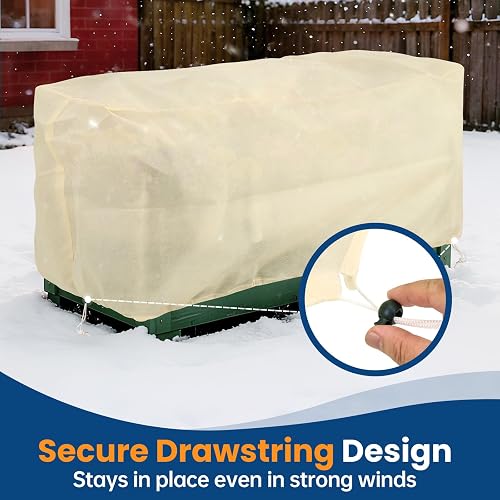
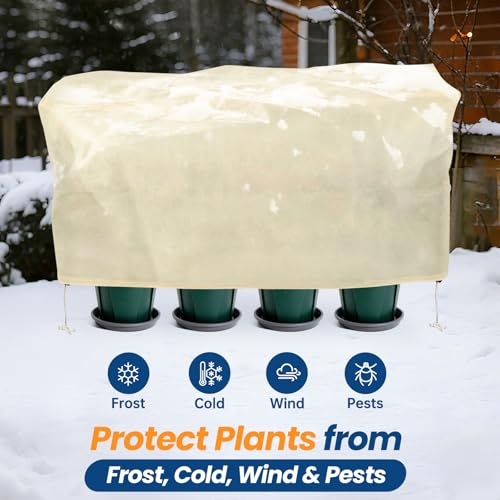
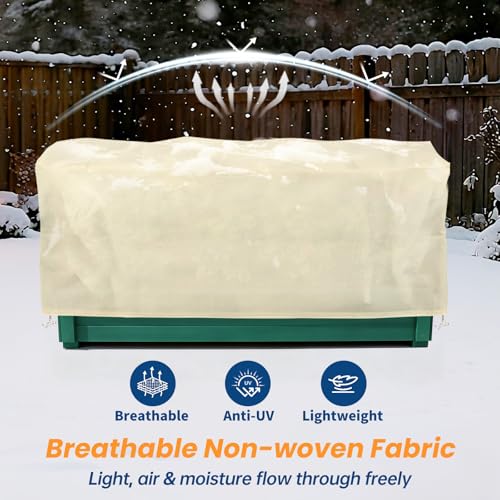
- For garlic, perennial herbs, or lingering greens, drape a breathable frost cover with a snug drawstring fit that resists wind while still letting light, air, and moisture reach plants. For beds you hope to harvest from longer into cold weather, explore these cold frames for winter vegetables for sturdier shelter ideas.
When to Consider Replacing It
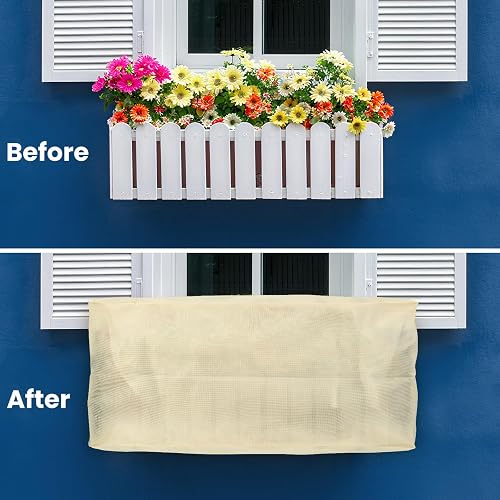
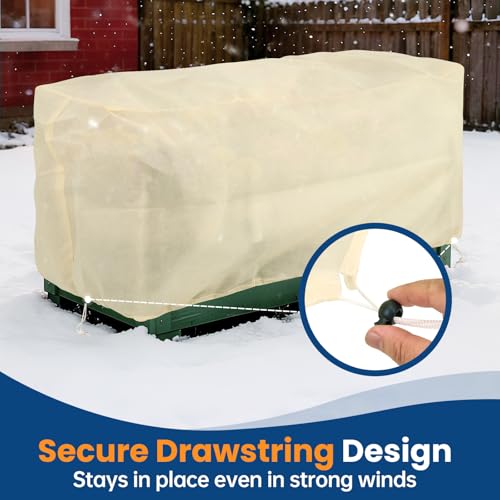
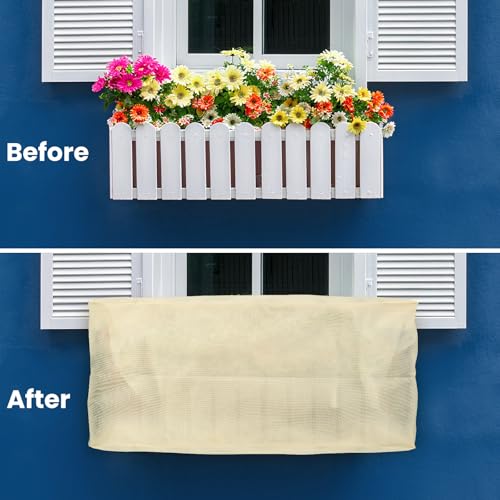
If your current covers are torn, stretched thin, missing ties, or constantly blow loose, mending them often takes more time than the protection is worth. Thin or gaping fabric lets frost nip leaf tips and allows wind to dry mulch and soil unevenly, so some plants suffer while others stay sheltered. If you would rather replace it than keep troubleshooting, the Plant Covers Freeze Protection option made for raised beds offers breathable non-woven fabric with adjustable drawstrings to hold it snug through 2026 winter winds.
This article contains affiliate links. If you buy through one of our links, The Yardstead may earn a commission at no extra cost to you. Commissions never influence which products we recommend or how we rank them. Read our Affiliate Disclosure for details.

Prime Homoda 2 Pack Plant Covers Freeze Protection








As an Amazon Associate we earn from qualifying purchases. Product prices and availability are accurate as of the date/time indicated.
When to Skip This and Call a Professional
If a bed wall has collapsed, soil is slumping toward a house foundation, or you suspect contamination from old paint, road runoff, or unknown fill, rebuilding a tall or load-bearing wall on your own is not ideal for DIY work. Skip this type of structural or safety-related project and call a licensed carpenter or your local extension service for guidance, especially where drainage affects buildings or buried utilities might be present.
Frequently Asked Questions
Should I cover raised bed soil in winter or leave it open?
Try to avoid leaving soil fully open, since bare beds compact, dry, and lose nutrients more quickly under winter rain and wind. A layer of compost topped with straw or shredded leaves cushions the surface and feeds soil life slowly. Add a breathable cover on top if your site is windy or snow tends to pile up and scour beds.
Should I add compost in fall as part of How to Winterize Raised Garden Beds Before Winter?
Fall compost is still helpful even if you plan to feed again in spring, because it protects the surface and gives worms months to blend organic matter in. Keep the layer even and cover it with mulch so heavy rain does not wash fine particles away. You can then check texture in spring and top up only where beds have settled.
What should I do with garlic, herbs, or greens left in the bed over winter?
Leave hardy roots and bulbs in place, mulch around them without smothering crowns, and add a breathable cover to soften wind and frost. Check ties and fabric after storms and fold covers back on mild, calm days so excess moisture can escape. Pull back mulch gradually when new growth shows vigor in spring.
Browse more picks in our Garden & Greenhouse category, or see our related guide on Maintain Trowel and Weeder Set Guide.









Write Your Review
No reviews yet. Be the first to share your experience!