

Quick Answer
If your Compost Tumbler Dual Chamber Won’t Spin, the most common cause is too much weight or uneven weight in one chamber, which makes the drum bind against the steel frame. Try removing some material until each chamber is no more than about two thirds full, redistribute the contents so the weight is even, and make sure the stand is on firm, level ground before you try to rotate it again.
Why This Happens
A dual chamber tumbler is designed to rotate around a central axle or support bar. When one side is packed full of heavy, wet kitchen scraps and yard waste while the other side is empty or light, the drum becomes severely unbalanced. That imbalance puts extra pressure on one side of the frame and the rotation points, which can make it feel completely stuck.
Overloading is another frequent culprit. Even if the weight is balanced, filling either chamber to the top leaves no room for material to tumble and adds far more weight than the frame and bearings are meant to handle. Wet compost is especially heavy, and compacted material can clump into a solid mass that will not shift when you try to turn the drum.
Frame and alignment issues can also prevent spinning. If the stand is on soft or uneven ground, the legs can twist or sink slightly, which pinches the drum. Loose hardware, a bent support bar, or debris caught between the drum and the frame can create friction that stops rotation. Cold weather can make material freeze together, adding to the problem.
Lack of airflow and moisture control makes the load heavier and stickier over time. Without regular turning and proper aeration, compost can become soggy and dense. If you are new to this style of composter, our guide on best compost tumbler dual chamber for beginners explains how chamber loading and aeration affect how easily the drum turns. You can also learn how internal conditions affect weight and decomposition in how to use compost thermometer.
Fixes to Try
Work through these steps in order, starting with the easiest and safest options. Do not force the drum with excessive leverage, as that can bend the frame or crack the plastic panels.
- Reduce and redistribute the load. Open the doors and remove some material if either chamber is more than two thirds full. Use a garden fork to break up compacted clumps and spread the remaining material evenly from end to end, then try a slow, steady turn.
- Check that the stand is level and stable. Move the tumbler to flat, hard ground if possible, and confirm all four feet are touching the ground evenly. Tighten any loose bolts on the legs and crossbars, and make sure the drum is seated correctly on its supports.
- Inspect the axle, bearings, and rotation points. Look for leaves, twigs, or hardened compost packed around the central bar or where the drum contacts the frame. Clear any debris, and check that plastic bushings or end caps are not cracked or out of place.
- Check doors, latches, and aeration vents. A door that has slipped or a latch that is not fully secured can catch on the frame during rotation. Make sure both doors slide or snap closed completely and that no material is wedged in the door tracks.
- Adjust moisture and break up the mass. If the compost looks soggy and heavy, add dry browns like shredded cardboard or dry leaves and mix lightly. If it is very dry and clumped, add a small amount of water and let it absorb, then try turning again after the material loosens.
If the drum still will not spin after these checks, try turning it with both chambers partially emptied to see if the issue is weight related or mechanical. If it spins easily when light but not when full, the problem is almost certainly load and moisture rather than a broken part.
When to Consider Replacing It
Consider a replacement when the frame is bent, the central support bar is warped, or the plastic drum is cracked, warped from sun exposure, or has stripped mounting points that no longer hold the panels together. If you have to empty the tumbler almost completely to get it to turn, or if it wobbles heavily even on level ground, repairs may cost more time than a new unit.
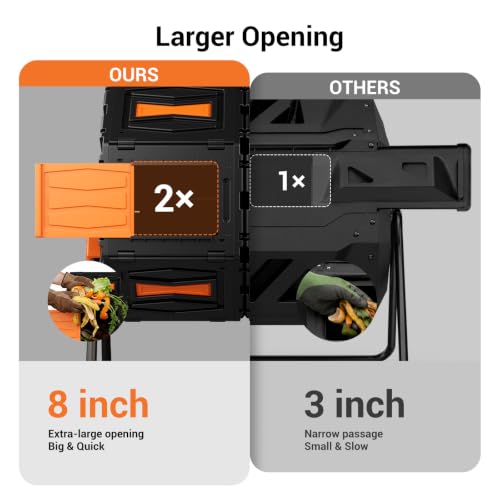
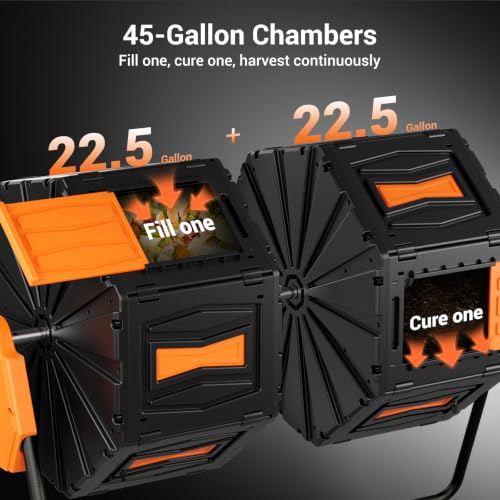
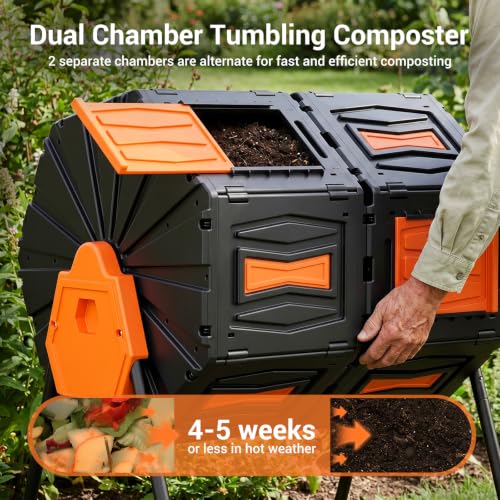
If you would rather replace it than keep troubleshooting, a dual chamber model with a sturdy powder coated steel frame and built in aeration can make regular turning much easier. One practical option to evaluate is the Marcytop Compost Tumbler, which offers two separate chambers and deep fins to help break up material while rotating.
This article contains affiliate links. If you buy through one of our links, The Yardstead may earn a commission at no extra cost to you. Commissions never influence which products we recommend or how we rank them. Read our Affiliate Disclosure for details.

Prime Marcytop 45 Gallon Dual Chamber Compost Tumbler










As an Amazon Associate we earn from qualifying purchases. Product prices and availability are accurate as of the date/time indicated.
When to Skip This and Call a Professional
This type of DIY troubleshooting is not ideal for tumblers that are still under warranty, have a welded steel frame that has cracked, or are part of a larger built in composting system with electrical or plumbing connections. If you see a broken weld, a bent axle that would require cutting or welding, or damage caused by a fallen structure, skip this and contact the manufacturer or a qualified repair professional instead of trying to force or modify the frame yourself.
Frequently Asked Questions
Why does my compost tumbler only spin halfway and then get stuck?
A half turn followed by a hard stop often means the load has shifted to one side and is now pressing against the frame at the heaviest point of rotation. Try redistributing the material evenly, reducing the total volume, and checking that the stand is level so the drum does not pinch mid rotation.
How full should I fill each chamber of a dual chamber tumbler?
For easiest spinning, try to keep each chamber no more than half to two thirds full, with space left for material to tumble. This leaves room for air circulation, keeps weight manageable, and lets the internal fins break up clumps when you rotate the drum every few days.
Should I add water if my compost is too heavy to spin?
Adding more water will usually make a heavy, stuck load even harder to turn. If the compost is soggy and dense, add dry brown material and fluff it to reduce weight and improve structure. Only add a little water if the pile is very dry, dusty, and compacted.
Browse more picks in our Composting & Soil Health category, or see our related guide on How To Use a Dual Chamber Tumbler.









Write Your Review
No reviews yet. Be the first to share your experience!