

Quick Answer
If your coyote deterrent light not turning on at night, the most likely cause is low battery charge or the power switch being off. Check that the switch is set to ON, clean the solar panel, and give the unit a full day of direct sunlight with no shade, then check it again after dark away from porch or street lights.
Always read the label before using any pest control product, and keep pets away from treated areas until it is safe per the manufacturer instructions.
Why This Happens
Solar predator deterrent lights depend on a small solar panel and built-in rechargeable battery, so insufficient charging is the top reason they stay dark. Short winter days, cloud cover, shade from fences or trees, and a dirty panel can all leave the battery too low to power the dusk-to-dawn sensor and flashing LEDs.
The light sensor itself can also be confused. These devices use a dusk-to-dawn sensor to turn on automatically, and if the unit is mounted near a bright porch light, security floodlight, or reflective surface, the sensor may think it is still daytime. This is common when you are also focused on predator proofing your chicken coop and have added extra lighting nearby.
Switch position and mounting height matter more than most people expect. Many solar repellers have a manual ON/OFF switch that must be engaged during installation, and it can be bumped off during handling or mounting. Mounting too low, behind tall grass, or with the panel facing away from the sun also reduces charging and sensor accuracy.
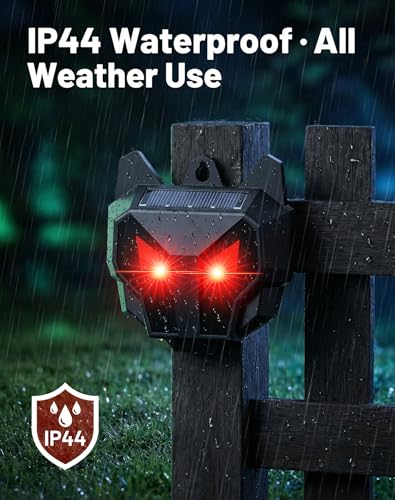
Weather and normal wear play a role as well. Even with an IP44 waterproof rating for rain and snow, dirt, pollen, and moisture buildup on the panel or around the sensor can block light. Over time, rechargeable batteries hold less charge, and like other outdoor gear that stops working, the unit may need more frequent sun or eventual replacement.
Fixes to Try
Try these steps in order, starting with the simplest checks that require no tools. Work through them one at a time and verify at night after each change.
- Confirm the power switch is ON and check the sensor. Turn the switch to ON, then cover the solar panel and sensor completely with your hand or a dark cloth in a shaded area. If the red LEDs flash, the unit has power and the sensor is working.
- Clean the solar panel and light sensor. Wipe both gently with a soft, damp cloth to remove dust, bird droppings, and pollen, then dry thoroughly. Even a thin film can significantly reduce charging efficiency.
- Reposition for full sun and give it a full sunny day to recharge. Move the unit to a spot that receives direct sun for most of the day, with the panel facing the sun and no overhangs or branches casting shade. Leave it off or in the ON position to charge without interruption.
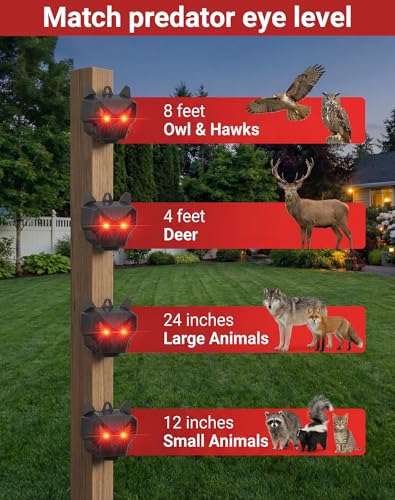
- Check mounting location and surrounding lights. Mount the light 1 to 8 feet above ground based on predator eye level, on a fence, post, or wall with a clear view. Keep it away from artificial lights at night and try turning off nearby porch lights to see if the deterrent activates.
- Inspect for damage and reset placement. Look for cracks in the housing, water inside the lens, loose mounting, or vegetation blocking the LEDs. Tighten the mount, trim nearby growth, and if the unit has a removable battery compartment, ensure it is seated correctly before recharging again.
When to Consider Replacing It
If the light still does not turn on after a full day of strong sun, a clean panel, and a confirmed ON switch with no competing light sources, the battery or LEDs may be at the end of their service life. Cracks, persistent moisture inside the lens, or very dim flashing that does not improve with charging are also signs that continued troubleshooting will not help. This is especially true if you are keeping outdoor dogs safe or protecting a coop and need reliable nightly coverage in 2026.
This article contains affiliate links. If you buy through one of our links, The Yardstead may earn a commission at no extra cost to you. Commissions never influence which products we recommend or how we rank them. Read our Affiliate Disclosure for details.

Prime PEXPEL 4-Pack Solar Predator Lights




As an Amazon Associate we earn from qualifying purchases. Product prices and availability are accurate as of the date/time indicated.
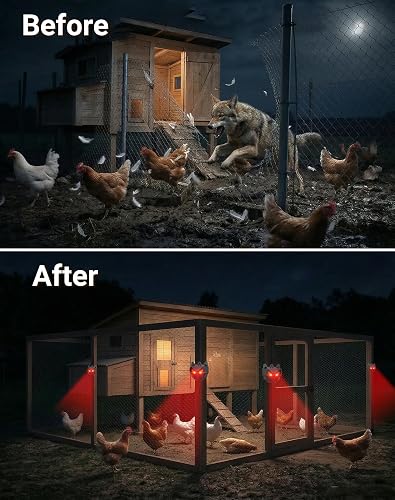
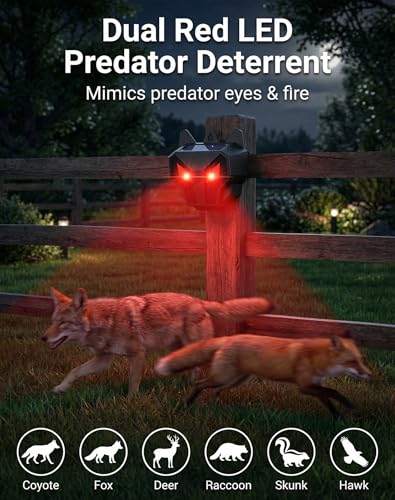
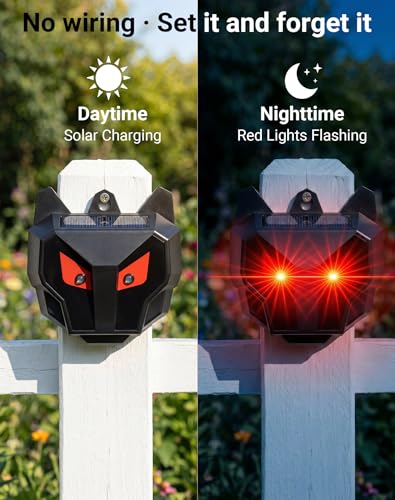
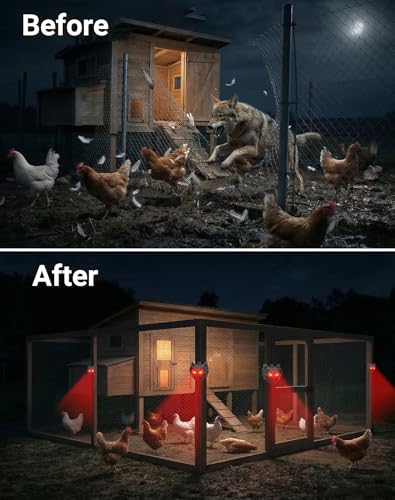
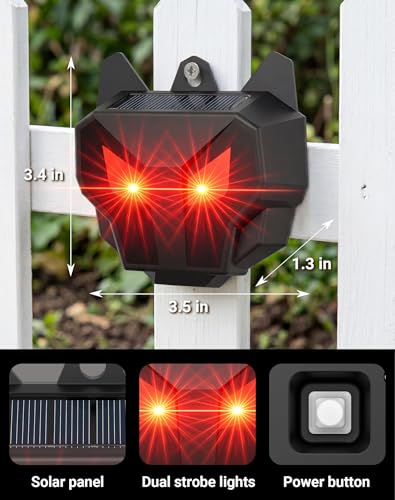
If you would rather replace it than keep troubleshooting, the 4 Pack Solar Nocturnal Animal Repeller is one practical option to evaluate. It uses solar power with a dusk-to-dawn sensor, flashing red LEDs to mimic predator eyes, and an IP44 weather resistant design that mounts without wiring for wide coverage around yards, farms, and chicken coops.
When to Skip This and Call a Professional
DIY troubleshooting is not ideal for situations involving active coyote pressure, livestock losses, or any hardwired electrical system. If coyotes are approaching during the day, entering fenced areas, or showing no fear of lights and noise, skip this and contact local animal control or a licensed wildlife professional. For any deterrent that connects to household wiring rather than solar power, that work is not recommended for DIY and a licensed electrician should handle it.
Frequently Asked Questions
Why does my solar coyote deterrent work for a few hours then turn off?
One common cause is a partial charge that is not enough for all-night operation. Try cleaning the panel and moving the unit to a sunnier spot for a full day, and make sure competing lights are not causing the sensor to cycle on and off.
Can a porch light or street light stop my predator light from turning on?
Yes. The dusk-to-dawn sensor measures ambient light, so a nearby bright light can make it think it is still daytime. Try relocating the deterrent away from artificial light sources or shielding the sensor side from direct glare.
Do I need to turn my coyote light off during the day?
No, leave the switch in the ON position so it can charge during the day and activate automatically at dusk. Turning it off prevents charging and automatic operation, so only use OFF for storage or extended cloudy periods when you want to conserve battery.
Browse more picks in our Dog & Pest Control category, or see our related guide on Insulate Large Dog Kennel Guide.

Write Your Review
No reviews yet. Be the first to share your experience!