

Quick Answer
If your dog house outdoor insulated is leaking when it rains, the most common cause is water getting in around the openable roof seam or the panel joints, not through the insulated walls themselves. Check that the roof is fully closed and sealed, inspect the hinge and corner connections for gaps, and make sure the house is level on its raised feet so water drains away instead of pooling underneath. Most leaks can be reduced with simple repositioning, tightening, and resealing.
Always read the label before using any pest control product, and keep pets away from treated areas until it is safe per the manufacturer instructions.
Why This Happens
Openable roofs are convenient for cleaning but they create a long seam where rain can intrude. Hinges and gas struts need a small gap to move, and if the gasket or overlapping lip is misaligned, wind driven rain can be pushed inside. Even a sloped roof designed to shed water will drip inside if that top joint is not fully closed or if debris keeps it slightly open.
Panel joints and ventilation features are another common entry point. Many insulated models use wood panels with a full metal frame or resin panels that lock together, and any loose corner bar or side louver can let water track inside during heavy rain. Fixed louvers and air vents help with airflow and comfort, but they can also catch sideways rain if the house faces the prevailing wind. You can find more general Dog & Pest Control guides for keeping outdoor shelters dry and comfortable.
Ground placement matters as much as the roof. If the house sits in a low spot or directly on soil, rain pools underneath and wicks up through the floor or seeps in at the base. Insulation is great for retaining warmth, but once it gets damp it can hold moisture and make the interior feel wet long after the rain stops, which is often mistaken for a new roof leak.
Assembly gaps and missing accessories also contribute. A door curtain that is not installed, a removable bottom plate that is not fully seated, or screws that were not fully tightened can leave small openings. Wood naturally expands and contracts with humidity and resin connections can loosen over a season outdoors, so a house that was dry last year may start to leak after months of exposure. Similar principles apply to other backyard structures, as covered in these Chicken & Shed shelter tips.
Fixes to Try
Try these steps in order, starting with the easiest and safest. Work on a dry day so sealants and adjustments have time to set.
- Close and inspect the roof seal. Try pressing along the entire perimeter of the openable roof, clear away leaves or dirt that prevent a tight closure, and look for gaps along the hinge side where water often enters first.
- Reposition and level the house. Try moving it to slightly higher ground with the entrance facing away from prevailing wind and rain, and confirm all raised feet are stable so water drains away from the base.
- Check and tighten all panel seams. Try hand tightening corner connectors and frame screws, then look inside on a bright day for daylight coming through joints which can indicate where to focus your attention.
- Add weather appropriate sealing where needed. Try applying outdoor rated sealant or foam weather stripping along the roof seam and corner joints, following the manufacturer instructions and allowing a full day to cure before rain exposure.
- Improve drainage and protection. Try clearing debris from the sloped roof, adding a mat or pallet underneath for extra lift, and redirecting nearby runoff so water does not flow directly toward the door or vents.
When to Consider Replacing It
If you have resealed the roof seam, tightened the frame, and repositioned the house and it still drips inside during light rain, the structure may be warped, cracked, or the insulation may be saturated. Wood that has swollen or resin that no longer aligns at the corners is hard to restore to a watertight condition, and repeated patching can take more effort than it is worth. At that point, replacement is often more practical than ongoing repairs.
This article contains affiliate links. If you buy through one of our links, The Yardstead may earn a commission at no extra cost to you. Commissions never influence which products we recommend or how we rank them. Read our Affiliate Disclosure for details.

Prime VIXZEN Medium Dog House for Indoor and Outdoor




As an Amazon Associate we earn from qualifying purchases. Product prices and availability are accurate as of the date/time indicated.
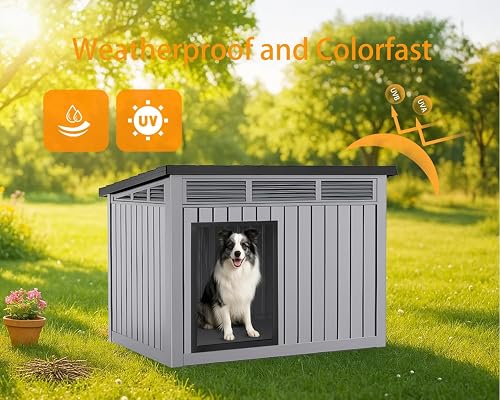
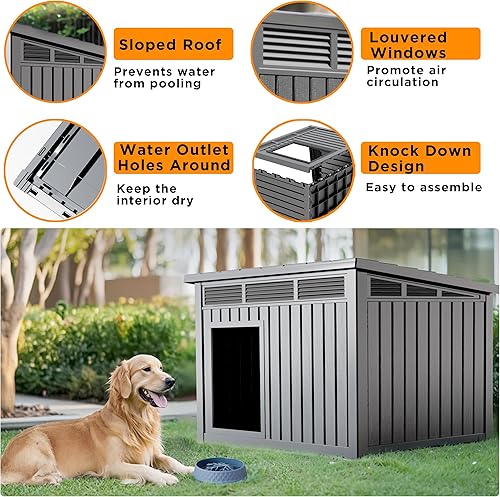
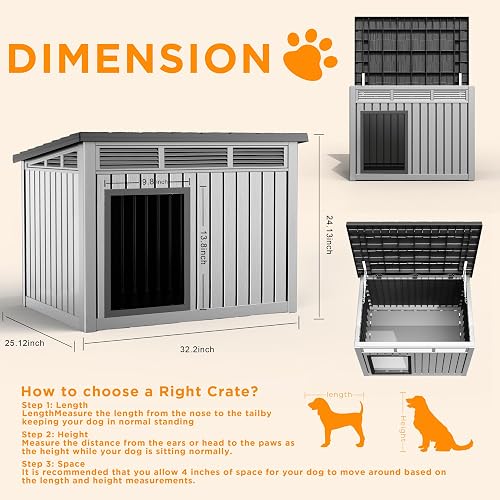
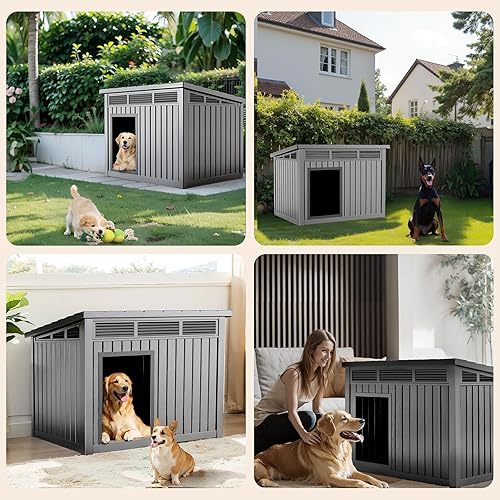
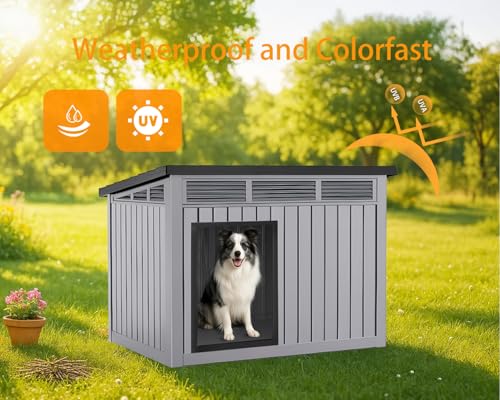
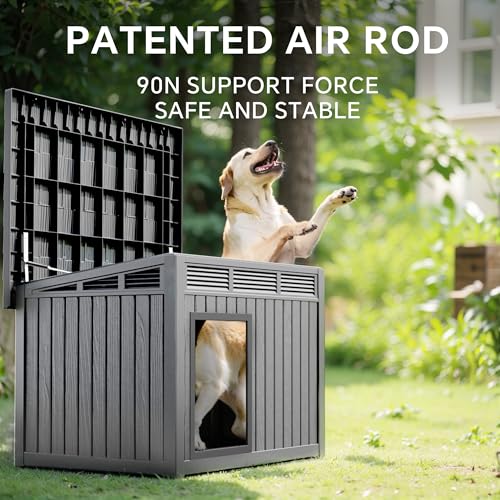
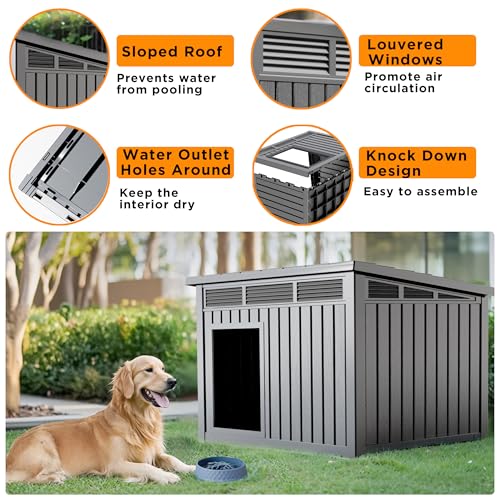
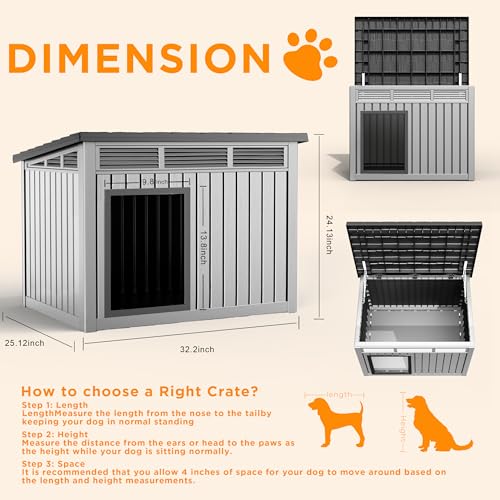
If you would rather replace it than keep troubleshooting, one practical option for 2026 is the VIXZEN Dog House Outdoor & Indoor, Medium Size, which uses PP resin that resists rain and UV, a sloped roof to help prevent water buildup, and an openable roof with gas struts and air vents for airflow and easier cleaning.
When to Skip This and Call a Professional
DIY sealing is not ideal for houses with major structural damage, significant wood rot, mold inside the insulation, or electrical additions like heated pads or heat lamps that have gotten wet. If water has reached wiring, if the frame is unstable, or if the leak is covered by a warranty, skip this and contact the manufacturer or a qualified professional instead of trying to seal it yourself. This is especially important where safety or a large investment is at stake, as improper repairs are not recommended for those situations.
Frequently Asked Questions
Why is my insulated dog house leaking from the roof even though it is sloped?
A sloped roof helps shed water, but the seam where an openable roof meets the walls is still vulnerable. If the roof is not fully latched, the gasket is misaligned, or debris blocks closure, wind can push rain under the lip and into the interior.
How do I keep rain from blowing in through the vents and door?
Try reorienting the house so the entrance and louvered sides face away from the prevailing wind, and make sure any included PVC door curtain is installed correctly. You can also add a windbreak nearby, but avoid blocking the vents completely since airflow helps prevent stuffiness and moisture buildup.
Should I drill extra drainage holes if water pools inside?
It is usually better to address the entry point and improve elevation rather than drilling new holes, which can weaken the floor and void a warranty. Try raising the house on its feet or a pallet, ensuring the floor plate is seated, and drying the interior thoroughly after rain before considering modifications.




Write Your Review
No reviews yet. Be the first to share your experience!