

Quick Answer
If your Drip Irrigation Kit Raised Bed Emitters Clogging has left some plants dry while others get water, the most likely cause is mineral scale, fine sediment, or algae inside the emitter or 1/4 inch tubing. Try flushing the line, soaking or rinsing the emitter heads, and adding a simple filter at the faucet before you replace anything.
Why This Happens
Raised beds create perfect conditions for clogs. Soil splashes into emitters, organic mulch breaks down into fine particles, and hard water leaves calcium deposits inside the tiny flow paths. Even city water can carry enough sediment to block adjustable vortex or spray emitters over a season.
Algae and biofilm are another common culprit, especially with clear or thin-walled tubing that sits in the sun. Warm, slow-moving water inside the lines lets slime grow, and that slime narrows the emitter opening until flow drops to a trickle. If you use rainwater collection without filtration, the risk is even higher, which is why a filtered rainwater setup for your 55 gallon system can help reduce particles before they reach the bed.
Pressure and layout issues can make clogging look worse than it is. Too many emitters on one 1/4 inch branch, long runs with low pressure, or kinked tubing can reduce flow so much that sediment settles instead of flushing through. Emitters at the far end of the line often clog first for this reason.
Finally, emitter design matters. Adjustable emitters with small, twist-to-control openings are convenient, but those fine channels are more sensitive to grit than larger drip holes. If the heads are not detachable for cleaning, dried fertilizer salts can also crust inside and block the passage.
Fixes to Try
- Flush the whole system without emitters. Turn off the water, remove the end plugs or open the end of the mainline, then turn water on for 30 to 60 seconds to push sediment out. Reinstall the plugs and check if flow improves at each bed.
- Clean each clogged emitter individually. Unscrew or pull the head apart if your model allows, rinse it in clean water, and use a soft brush or toothpick to clear visible grit. Soak heads that have mineral scale in a 50/50 mix of white vinegar and water, then rinse thoroughly before reinstalling.
- Check and clean your filter and tubing. If you have a faucet filter or small inline screen, remove and rinse it. Inspect the 1/4 inch distribution tubing for kinks, sharp bends, or soil inside the open ends, and trim back any damaged section to get a clean, round opening.
- Add basic filtration and pressure control if you do not have it. A 150 to 200 mesh hose filter at the spigot catches fine sand and organic debris before it reaches the emitters, and a 20 to 45 PSI pressure regulator keeps flow steady so particles stay suspended instead of settling. This is one of the most effective long term steps for raised beds.
- Prevent algae and re-clogging. Cover exposed tubing with mulch to block sunlight, avoid leaving lines full of standing water for days, and flush the system briefly once a week during heavy use. If you fertilize through the line, flush with plain water afterward so salts do not dry inside the emitters.
When to Consider Replacing It
If you have flushed, cleaned, and filtered and the same emitters keep clogging, or the tubing is cracked, sun-brittled, or permanently narrowed by scale, replacement often saves time. This is especially true when heads no longer adjust smoothly or the push-to-fit connectors no longer seal after cleaning. If you would rather start fresh than keep clearing the same heads, a complete kit with clean tubing and new adjustable emitters can be a practical option.
This article contains affiliate links. If you buy through one of our links, The Yardstead may earn a commission at no extra cost to you. Commissions never influence which products we recommend or how we rank them. Read our Affiliate Disclosure for details.

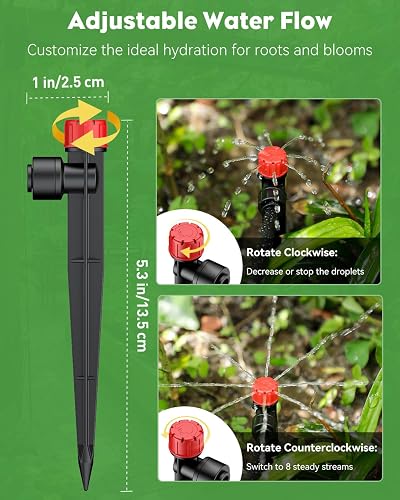
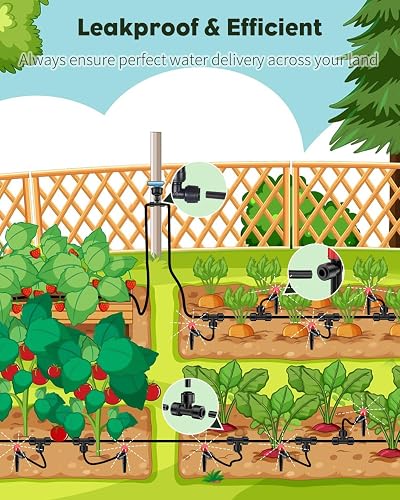
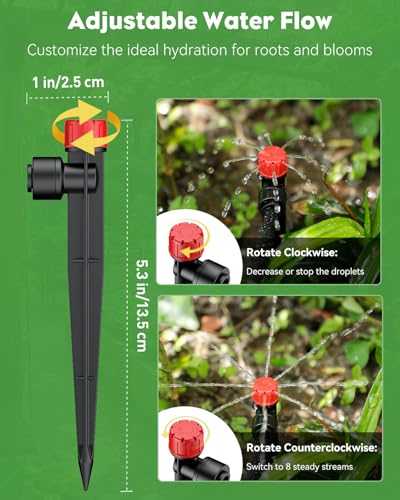
Prime Pawfly 50FT Drip Irrigation Kit with Adjustable








As an Amazon Associate we earn from qualifying purchases. Product prices and availability are accurate as of the date/time indicated.
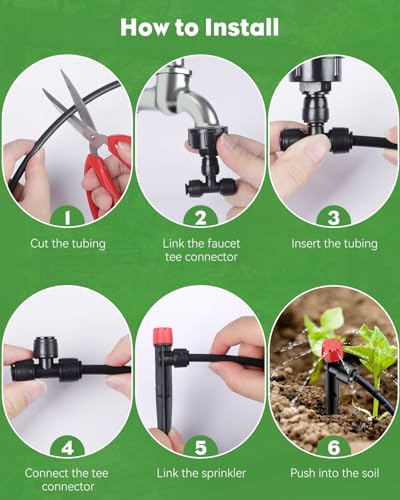
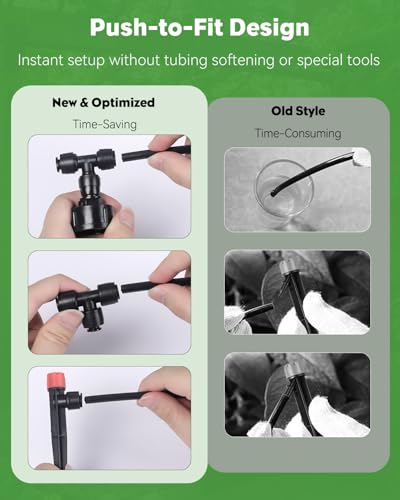
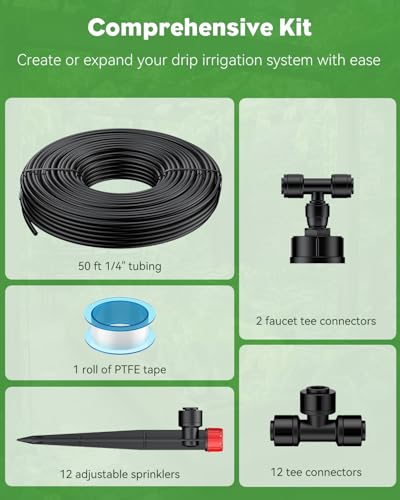
The Pawfly 50ft Drip Irrigation System Kit includes UV-resistant 1/4 inch tubing, adjustable sprinklers with rotatable heads, and push-to-fit connectors that make it easier to build a clean layout for raised beds without special tools. Its detachable heads are simpler to rinse and maintain, and you can keep your existing filter and pressure regulator when you expand. For broader garden planning ideas, you might also explore other garden and greenhouse watering setups to match your bed size.
When to Skip This and Call a Professional
DIY flushing and emitter cleaning is not ideal for situations that involve buried electrical wiring for a pump or timer, a leaking hose bib inside the wall, or a major plumbing modification. If your raised bed system is tied into an in-ground sprinkler system, a well pump, or anything covered by a warranty, skip this and contact a licensed irrigation professional or plumber. That approach is not recommended for leaks that cause water damage or for any electrical connection near water.
Frequently Asked Questions
Why do only the last emitters on my raised bed line clog?
Low pressure at the end of a long 1/4 inch run lets fine particles settle instead of passing through. Try shortening the branch, reducing the number of emitters per line, and flushing from the far end. Adding a pressure regulator and filter at the faucet often helps keep flow even across the bed.
Can I use vinegar or bleach to clear clogged drip emitters?
A mild vinegar soak can help loosen mineral scale on removable heads, but avoid harsh chemicals inside the tubing and never mix cleaning agents. Always rinse thoroughly with clean water before reconnecting, and check your emitter instructions for cleaning guidance. For ongoing prevention, filtration and regular flushing are more reliable than chemical soaks.
How do I prevent Drip Irrigation Kit Raised Bed Emitters Clogging when using rainwater?
Use a fine mesh filter between your barrel and the garden hose, keep the barrel covered to limit algae, and flush lines weekly. Mulching over tubing to block sunlight also slows biofilm growth. If you are comparing collection methods, reviewing composting and soil health practices can help you balance organic matter and sediment that might otherwise enter the system.
Browse more picks in our Rainwater & Irrigation category, or see our related guide on Rainwater Filters We Recommend for 55-Gallon Barrels in 2026.


Write Your Review
No reviews yet. Be the first to share your experience!