

Quick Answer
If your electric compost bin smells bad, the most likely cause is a saturated activated carbon filter combined with moisture trapped in the bucket, lid seal, or condensation tray. Try replacing the filter if it is overdue, running a clean cycle with an empty bucket, and letting all parts dry completely before the next load. Most kitchen odors fade once airflow is restored and the filter can do its job again.
Why This Happens
Electric composters use heat, grinding, and airflow to dry food scraps, but wet, oily, or protein-rich foods like fish, meat, dairy, and saucy leftovers release strong odors when heated. If the carbon filter is full or damp, those odors bypass the filter and vent directly into your kitchen. This is the single most common reason a unit that once seemed odorless suddenly smells.
Moisture buildup is another frequent culprit. During drying cycles, steam condenses on the lid, around the filter compartment, and in any bottom moisture collection tray. If that tray is not emptied or the lid seal is not wiped, the damp residue can turn sour and smell even when the machine is off. You may notice the odor is worse the next morning after a cycle finished overnight.
Residue on the bucket, blades, and non-stick coating can also trap odors. Running several cycles in a row without rinsing lets fine particles bake onto surfaces and heat repeatedly, which intensifies smells. Adding very wet foods without draining them first makes this worse. For background on how moisture and balance affect odor, see how to use compost thermometer.
Airflow problems complete the picture. Overfilling past the max line, opening the lid mid-cycle, or a dusty fan vent restricts air movement through the filter. When air cannot circulate properly, the system cannot dry efficiently and unfiltered air escapes. A clogged vent or a filter that has reached the end of its service life will make even small loads smell stronger than expected.
Fixes to Try
Work through these steps in order, starting with the easiest checks first. Always unplug the unit and let it cool before you remove the bucket, filter, or fan module.
- Check and refresh the carbon filter. Remove the filter housing and look for dampness, dark discoloration, or a sour smell. If your model recommends replacement every few months, install a new filter when it is overdue, or try a gentle rinse and full air dry if the manual says rinsing can extend life.
- Empty, clean, and fully dry the bucket and moisture tray. Run the auto-clean or clean mode with water only if your model offers it, then hand wash the bucket with warm soapy water, wipe the lid seal and rim, and empty any condensation tray at the base. Let every part air dry completely before reassembling.
- Reduce moisture in what you add. Drain liquids, scrape off excess sauce, and avoid loading a large amount of oily or dairy-heavy scraps at once. Smaller, drier loads help the drying phase finish efficiently and keep odors contained inside the filter path.
- Use the right mode and avoid overfilling. Fill only to the interior max line so air can circulate, keep the lid firmly closed during the cycle, and choose the standard or quick mode for daily waste as directed. Use the viewing window to monitor progress instead of opening the lid.
- Clear the fan and vents. With the unit unplugged and cool, check the detachable fan module and bottom ventilation outlet for dust or food debris and wipe them gently. Restored airflow helps the new filter work effectively. If you prefer an outdoor alternative for larger loads, explore best compost tumbler dual chamber for beginners and our Composting & Soil Health resources.
When to Consider Replacing It
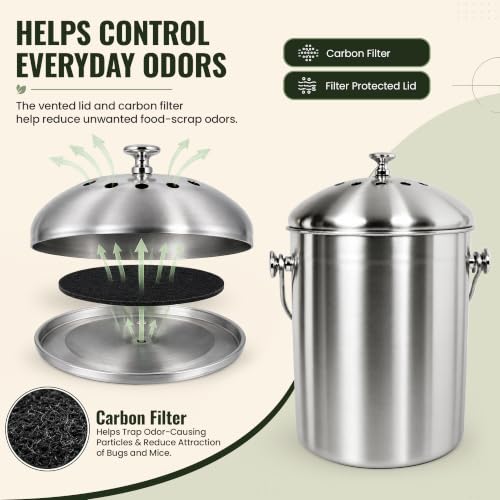
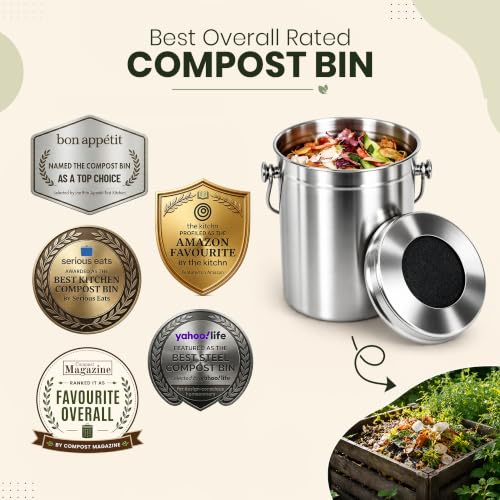
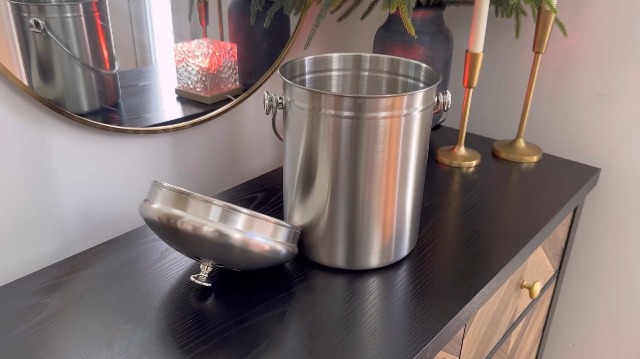
If you have replaced the filter, cleaned the bucket, emptied the tray, and cleared the vents but a sour or chemical smell returns after every cycle, the bucket coating, seal, or internal airflow path may be worn. Persistent residue buildup, a cracked lid seal, or a fan that no longer moves air well can make odor control difficult to restore. If you would rather replace it than keep troubleshooting, one practical countertop option with an airtight lid and replaceable charcoal filter is the option below.
This article contains affiliate links. If you buy through one of our links, The Yardstead may earn a commission at no extra cost to you. Commissions never influence which products we recommend or how we rank them. Read our Affiliate Disclosure for details.

Prime Epica Stainless Steel Kitchen Compost Bin 1.3
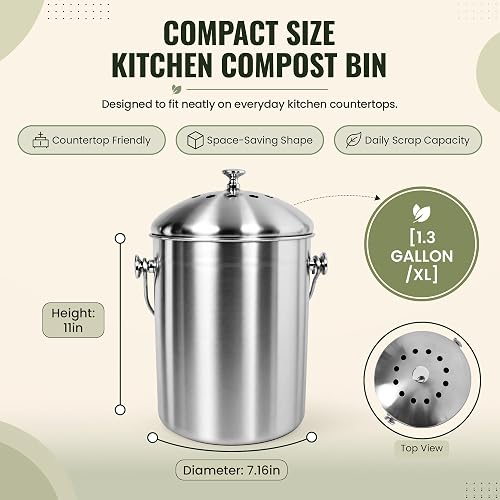

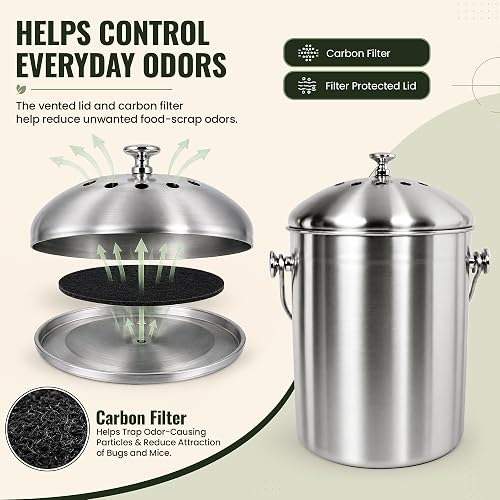


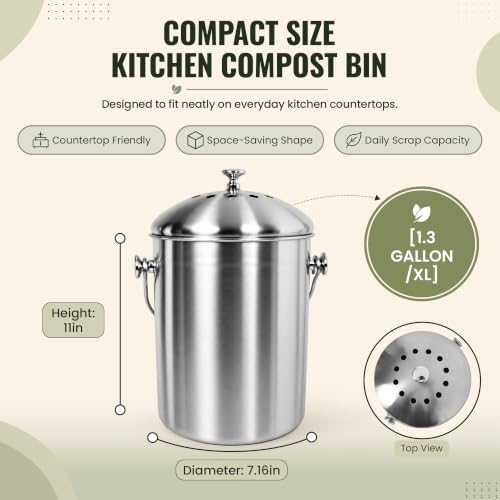
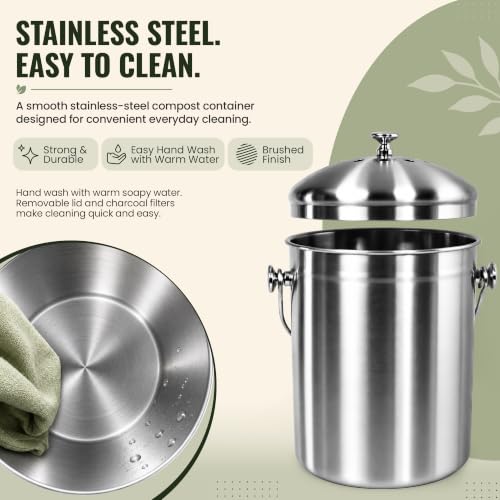

As an Amazon Associate we earn from qualifying purchases. Product prices and availability are accurate as of the date/time indicated.
When to Skip This and Call a Professional
DIY cleaning and filter replacement is not ideal for electrical or safety-related issues, and this approach is not recommended for burning smells, repeated error codes, a hot power cord, tripped breakers, or any sign of melted plastic. If you notice smoke, sparking, or a fan failure that does not clear after a basic reset, skip this and contact the manufacturer or a licensed appliance professional. Do not open sealed electrical compartments or bypass safety features, especially while the unit is still under warranty.
Frequently Asked Questions
Why does my electric compost bin still smell after I empty it?
Odor can linger in the lid seal, filter housing, and condensation tray even when the bucket is empty. Try wiping the seal, emptying and drying the tray, and running a clean cycle, then let the bucket air dry fully before the next load.
How often should I replace the carbon filter in an electric composter?
Many manufacturers suggest replacement every few months with regular use, and some models alert you when the filter is due. If you process strong-smelling foods often or notice odors escaping during a cycle, check the filter sooner rather than waiting for a reminder.
Can I put meat, fish, and dairy in my electric compost bin without it smelling?
Many electric composters can process small amounts of meat, fish, and dairy, but these foods create stronger odors when heated and add extra moisture. Try draining liquids, keeping portions small, and ensuring the filter and vents are clean and dry to help contain smells.








Write Your Review
No reviews yet. Be the first to share your experience!