

If your hydroponic greens look pale, leggy, or burnt on the leaf tips even though you followed the label, the issue is often how you mixed, not what you bought. Learning How to Mix Hydroponic Nutrients Correctly gives you stable pH, balanced minerals, and predictable growth from seedling to harvest.
pH Up and pH Down solutions are concentrated chemicals: wear gloves, avoid contact with skin and eyes, keep out of reach of children and pets, and always follow the manufacturer instructions for dosing in a well-ventilated area.
In this guide, we walk through the choices that matter most for beginners and small indoor setups, from two part liquids to helpful learning books. You will learn ratios, water order, and simple habits that help you avoid lockout and waste in November 2026 and beyond.
How to Choose
Understand Nutrient Formats: Two Part A and B, Single Part, and Raw Salts
Most beginners do best with a two part A and B liquid. For example, Hydroponic Plant Food, A&B Nutrients 1000ml asks you to add 5ml of A and 5ml of B to every 1L of water, with a dispensing cup for accuracy. Keeping A and B separate until they reach water prevents minerals from binding into solids your roots cannot absorb.
Single part liquids such as Hydroponic Nutrients- Liquid Plant Food for Edible simplify daily feeding for herbs and leafy greens, while raw salt mixing explained in The Hydroponic Nutrients Handbook suits advanced growers who want custom recipes. We recommend you start with premixed liquids, then move to salts only when you are comfortable measuring EC and adjusting pH every day.
Match Strength to Your System and Plant Stage
All hydroponic systems are not equally forgiving. Deep water culture and Kratky jars need lighter doses than ebb and flow or drip systems, and seedlings need about one quarter to one half of full vegetative strength. Look for formulas labeled as compatible with all hydroponic grow systems and suitable for vegetables, fruits, and flowers, so one bottle covers lettuce today and tomatoes tomorrow.
Check whether the formula includes essential micronutrients and is 100 percent water soluble for clean reservoirs and pumps. Complete solubility helps prevent clogged lines and film on roots, and you can explore more setup ideas in our Garden and Greenhouse collection. We keep a simple log of reservoir size, mL added, and plant response to fine tune strength over two weeks.
Master Water Order, Stirring, and pH Balance
Order matters more than most labels emphasize. Fill your reservoir with room temperature water first, add Part A, stir well, then add Part B and stir again, and never combine concentrates directly. This sequence plus a pH balanced formula for maximum uptake helps you hold the ideal 5.5 to 6.5 range for most hydroponic crops.
Always measure pH and EC after mixing and again after the solution rests for 15 to 30 minutes. If your source water is hard or alkaline, our notes in this soil pH guide explain how pH inputs affect nutrient availability, even though hydroponics uses liquid buffers instead of soil amendments. Small, gradual adjustments work better than large corrections.
Pick Measuring Tools and Bottles That Reduce Errors
Accurate small volumes make or break your results. We prefer kits that include a dispensing cup with clear mL marks and bottles that pour cleanly, plus refill packs that keep your ratio consistent across reservoir changes. Avoid kitchen spoons, since they can easily double your dose and cause tip burn overnight.
Clear instructions matter too. The best labels state the per liter dose, explain how to mix each nutrient with water in the correct ratios, and note use for indoor, container, and outdoor plants. If you learn visually, pair your nutrients with a practical manual like DIY Hydroponic Gardens: How to Design and Build or Hydroponics for Beginners to see reservoir size and feeding in context.
Choose Learning Support for Your Goals
If you want fresh salads quickly, a beginner book focused on inexpensive DIY systems will save you more effort than any nutrient upgrade. Tyler Baras shows over a dozen low cost builds for home growers, which is ideal when you want to practice mixing in a small tote before scaling up. Max Barnes Hydroponics for Beginners is another friendly starting point for vegetables, fruits, and herbs in water.
Move to The Hydroponic Nutrients Handbook only when you want to formulate from raw salts, build masterbatches, and engineer custom pH buffers. That path requires a reliable scale, EC meter, pH meter, and careful notes, but it gives you full control over recipe and supply. Most home growers we advise stay with quality A and B liquids for the first year.
A Few Picks Worth Considering
Think of these as a few starting points we reference when teaching mixing, not a full ranking. They show the range from easy A and B liquids to in depth guides, so you can match your comfort level and system size. For systems and accessories, see our full picks in Hydroponics and Indoor Growing.
This article contains affiliate links. If you buy through one of our links, The Yardstead may earn a commission at no extra cost to you. Commissions never influence which products we recommend or how we rank them. Read our Affiliate Disclosure for details.
Quick Picks at a Glance
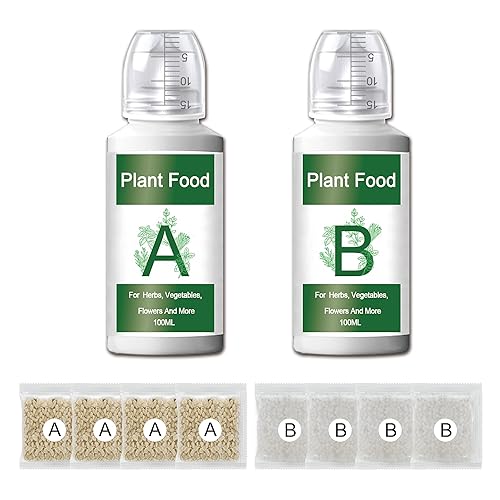
Prime ALIINKD Hydroponic Nutrients A&B Plant Food 1000ml

Prime Hapxalie Hydroponic Nutrients A & B Liquid Plant

Prime DIY Hydroponic Gardens by Tyler Baras

Prime TPS Nutrients Hydroponic Liquid Plant Food 8oz

Prime Hydroponics for Beginners

Prime Hydroponic Nutrients Handbook
As an Amazon Associate we earn from qualifying purchases. Product prices and availability are accurate as of the date/time indicated.
Pros
- Simple to mix with clear 5ml per liter ratio and included measuring cap
- Compatible with all hydroponic systems and growing mediums for flexible use
- Supports visible root development and lush growth for herbs and veggies
- Large 1000ml total supply with refill packs offers long lasting value
Cons
- Requires manual measuring and mixing at every feeding, no premixed option
- Lacks detailed feeding schedule for different growth stages like seedling, veg and bloom
- Liquid concentrate must be stored properly to avoid spills and keep nutrients stable
The ALIINKD A&B Hydroponic Plant Food is a two part liquid nutrient system totaling 1000ml, built for hydroponic setups, AeroGarden units and standard potted plants. It is ideal for beginners and home gardeners growing herbs, lettuce, veggies and decorative houseplants indoors.
Standout features include its balanced micronutrient blend and universal compatibility with all growing mediums from water culture to soil and coco. In real world use, growers report stronger root growth, greener foliage and vigorous development with just weekly feeding.
The kit includes two bottles plus eight refill packs, with a cap that doubles as a measuring cup for clean dosing. Mixing is straightforward, using 5ml of A and 5ml of B per liter of water, which keeps feeding consistent without complex charts.
Drawbacks are minor but worth noting. Advanced growers may want more detailed EC guidance or stage specific formulas for seedlings versus fruiting plants. You also need to measure carefully each time, since there is no single pour ready mix.
Overall, this is a practical, easy to use nutrient set for everyday hydroponic and indoor gardening. If you want healthy plants, simple dosing and long lasting supply in one kit, it is a reliable choice for home use.
Brand: ALIINKD, Part Number TO-PF-AB002, Form: Liquid Concentrate in A and B Components.
Total Volume: 1000ml Kit With 2 Bottles Plus 8 Refill Packs, Mixing Ratio 1 to 1, 5ml A Plus 5ml B Per Liter of Water.
Use For: Hydroponic Systems, AeroGarden, Indoor Houseplants, Container and Outdoor Gardens, Herbs, Veggies and Leafy Greens.
Target Benefits: Plant Growth, Root Development and Seed Development, Compatible With All Growing Mediums Including Soil and Coco.
Add 5ml of nutrient A and 5ml of nutrient B to every 1 liter of water and stir well before feeding.
Use the included measuring cap for accurate dosing and apply once per week for potted plants or per reservoir change for hydroponics.
Suitable for seedlings, vegetative growth and mature plants in both indoor and outdoor gardens.
Pros
- Complete nutrition with both Part A and Part B included in one kit
- Easy to measure and mix, ideal for beginners
- Works for hydroponics, houseplants, containers and garden plants
- pH balanced and fully water soluble for efficient nutrient uptake
Cons
- Requires measuring and mixing two liquids for every feeding
- Liquid bottles need more storage space than dry concentrates
- Lacks detailed feeding guidance for different growth stages or heavy feeders
Hapxalie Hydroponic Nutrients is a 1000ml two bottle A and B liquid plant food built for indoor hydroponics, houseplants and container gardens. It suits beginners, apartment growers and anyone raising vegetables, herbs, fruits or flowers in small spaces.
The complete formula supplies essential macro and micronutrients in a pH balanced, fully water soluble blend. In real world use, plants show greener foliage, stronger roots and steady growth from seedling through flowering when mixed consistently.
The kit includes both Part A and Part B solutions plus a dispensing cup for accurate dosing. The liquid format dissolves instantly with no residue, which keeps reservoirs cleaner and makes feeding quick and mess free.
As with most two part nutrients, you must measure and mix both parts for every feeding, which takes extra care. Growers with heavy feeding plants may also want more detailed stage specific feeding guidance.
Overall, this is a practical, versatile nutrient system for hydroponic and potted plants that delivers balanced nutrition with minimal fuss. It is a smart pick for home gardeners who want healthy, vibrant growth without complicated schedules.
Brand: Hapxalie
System: Two part A and B liquid nutrients, 1000ml total volume
Form: 100 percent water soluble liquid concentrate
Mixing Ratio: 5ml of A plus 5ml of B per liter of water
Use: Hydroponic systems, indoor potted plants, containers, houseplants and garden plants
Plants: Vegetables, herbs, fruits and flowers
Add 5ml of Part A and 5ml of Part B to each liter of clean water and stir well.
Apply the mixed solution to your hydroponic reservoir or water your container plants evenly.
Use regularly through the growth cycle and monitor plants for best feeding frequency.
Pros
- Covers 12+ full system builds to fit different spaces, skill levels and budgets
- Step-by-step photos and plain language make complex hydroponics approachable for beginners
- Includes nutrients, lighting, equipment and maintenance guidance in one complete resource
- Water efficient, soilless methods work well for urban homes and areas with limited water
- Strong authority in hydroponic and urban gardening with practical DIY focus
Cons
- DIY focused, not ideal if you prefer a preassembled hydroponic kit with no building
- Originally published in 2018, so some specific products and lighting tech may be dated
- Hands-on builds require basic tools, space and time for assembly and upkeep
DIY Hydroponic Gardens by Tyler Baras is a 192-page hands-on guide to building soilless growing systems at home. It is designed for beginners, urban gardeners and DIYers who lack soil, sunlight or outdoor space but still want fresh herbs and vegetables.
The book walks through more than 12 complete builds with clear step-by-step photos, nutrient recipes and crop selection charts. Readers can start with systems that cost just a few dollars and scale up to larger setups for continuous harvests.
Published by Cool Springs Press, the large 8 by 10 inch format makes diagrams and build photos easy to follow in the workshop or greenhouse. Instructions cover lighting, ventilation, equipment and daily maintenance so plants stay healthy from seedling to harvest.
It is focused on DIY construction, so it is less useful if you want a ready made kit with no tools required. Some equipment recommendations reflect its 2018 publication date, so you may need to substitute newer lights or pumps.
Overall, this is one of the most practical entry points into hydroponics for home growers. If you enjoy hands-on projects and want water efficient growing without soil, this guide gives you everything needed to build, plant and maintain with confidence.
Publisher: Cool Springs Press, 1st Edition published April 3, 2018
Language: English, Print Length: 192 pages, ISBN-13: 978-0760357590
Item Weight: 2.31 pounds, Dimensions: 8 x 0.5 x 10 inches
Author: Tyler Baras, also known as Farmer Tyler, Category: Hydroponic and Urban Gardening
Pros
- Easy to mix one-part system is beginner friendly with no complex schedules
- Versatile coverage for herbs, vegetables, fruit and flowers
- Supports roots and steady growth in hydroponic and container systems
- Compact size and liquid form make storage and dosing convenient
Cons
- 8oz volume runs out quickly in larger reservoirs with frequent feeding
- One-part blend offers less control than multi-part nutrients for advanced growers
- Mixing guidance is basic, so users may need to start light and adjust
TPS Nutrients Hydroponic Liquid Plant Food is a one-part liquid nutrient made for edible plants in hydroponic systems. It is best for indoor growers, beginners and small space gardeners growing herbs, vegetables, fruit and flowers.
The standout feature is the simple one-part formula that mixes easily in reservoirs for steady feeding. In real world use, it helps promote strong roots and balanced growth without the hassle of multi-bottle schedules.
The liquid form blends smoothly in water culture and container systems for even distribution. The compact 8oz bottle is easy to store, pour and measure, which suits countertop gardens and trial setups.
The small bottle size means heavy users or larger systems will go through it fairly fast. The formula also prioritizes simplicity over customization, so advanced growers may want more control over nutrient ratios.
Overall, this is a convenient and reliable option for consistent hydroponic nutrition at home. If you want easy mixing, root support and versatility for edibles, it is a smart choice for getting started.
Brand: TPS Nutrients
Form: Liquid plant food
Volume: 8 fluid ounces
Use: Hydroponics, water culture and container systems
Plants: Herbs, vegetables, fruit and flowers
Highlights: One-part formula, mixes easily, supports root development
Pros
- Covers the full journey from system selection and grow room setup to harvest
- Practical DIY focus helps beginners save money on expensive kits
- Includes yield boosting tips, pest prevention and troubleshooting for confidence
- Ranks among the top books for Hydroponic and Urban Gardening, showing strong reader approval
Cons
- Written for beginners, so experienced or commercial growers may find it too basic
- Compact 121 page length means less deep science compared to larger textbooks
- As an independently published book, layout and visuals are functional rather than premium
Hydroponics for Beginners by Max Barnes is a practical 121 page guide for anyone curious about growing food without soil. It is written for complete newcomers, apartment dwellers and backyard gardeners who want fresh vegetables, fruits and herbs at home.
A standout is the coverage of 6 major hydroponic systems with guidance on choosing and building an inexpensive DIY setup. You also get clear lessons on grow room setup, seed starting, cuttings, transplanting and mixing nutrient solutions for steady growth.
In real world use, the step by step structure makes it easy to start small and maintain your system with confidence. Tips on maintenance, yield improvement, pest control and troubleshooting help you avoid common beginner mistakes and keep plants productive year round.
The book design is large format and easy to follow, built as both a learning guide and quick reference. As an independently published title, do not expect glossy coffee table photography, but the instructions stay clear, direct and actionable.
Final verdict: if you want an affordable, no fluff starting point for soil free gardening, this is a smart pick. It gives beginners the fundamentals to build, grow and harvest with confidence.
Author: Max Barnes, Publisher: Independently published, Publication Date: June 30, 2023
Print Length: 121 pages, Language: English, ISBN-13: 979-8850464431
Print Size: 8.5 x 0.28 x 11 inches, Weight: 10.8 ounces, Format: Large format paperback
Category: Hydroponic Gardening, Urban Gardening and Vegetable Gardening for beginners
Pros
- Focuses on actionable formulas, calculations and mixing protocols instead of beginner gardening fluff
- Covers the full workflow from salt sourcing and purity checks to pH buffering and micronutrient precision
- Includes ready to use blueprints for greens, fruiting and flowering growth phases
- Practical 228-page paperback format designed for repeated use in the mixing room
Cons
- Heavy focus on chemistry and math may overwhelm complete beginners
- Independently published format may lack the polish of mainstream grow guides
- Requires separate sourcing of raw salts, precision scales and mixing equipment
This book is a hands on manual for hydroponic growers who want to move beyond bottled nutrients and mix feeds from raw technical grade salts. It is written for intermediate growers, serious hobbyists and small commercial operators who are comfortable with measuring and basic math.
The core strength is the ppm to grams calculation method, showing how to hit targets like 150 ppm nitrogen with exact salt weights. Combined with masterbatching order, temperature guidance and micronutrient blending tips, it gives repeatable control over veg and bloom reservoirs in real grow rooms.
As a 228 page paperback published in May 2026, it reads like a workshop reference with profiles for Calcium Nitrate, Potassium Nitrate, Magnesium Sulfate and other key inputs. The layout prioritizes formulas, protocols and baseline recipes you can return to during each mix, rather than general gardening stories.
This is not a casual beginner book, as the chemistry, mass balances and buffering concepts demand focus and careful measurement. You will also need to source salts, scales, stock tanks and pH tools on your own, and hard water growers may need extra testing to adapt the baselines.
If your goal is full control over your garden with custom NPK profiles and less input waste, this handbook delivers a clear blueprint. Buy it if you want lab style precision and are ready to practice safe handling, accurate weighing and disciplined reservoir management.
Title: The Hydroponic Nutrients Handbook: How to Mix Professional-Grade Fertilizers from Raw Salts
Author: Kellan Dax
Publisher: Independently published, May 24, 2026
Print Length: 228 pages, English language paperback
ISBN-13: 979-8198320925, ASIN B0H2V53ZN3
Dimensions: 6 x 0.52 x 9 inches, 14.4 ounces
Categories: Hydroponic Gardening, Agronomy, Greenhouses
Common Mistakes to Avoid
One common error is pouring A and B concentrates together or adding nutrients to a dry bucket before water. That creates cloudy precipitate and locks out calcium and iron, so your meter may read strong while plants starve. Always start with water, dose one part at a time, and stir thoroughly.
Another mistake is chasing pH with large corrections right after mixing. Fresh solutions drift as salts dissolve and water warms, so wait, remeasure, then adjust in tiny steps. Keep water temperature moderate, top off with plain pH balanced water between changes, and replace the full reservoir every seven to fourteen days.
Finally, many growers feed seedlings at full strength and skip notes. Start light, raise EC slowly as true leaves develop, and record every addition and reading. A quick review of Composting and Soil Health basics can also remind you how organic matter and minerals interact, which helps you respect balance in water culture too.
Frequently Asked Questions
How much A and B nutrient do I add per liter of water?
Many two part liquids use 5ml of A plus 5ml of B per liter for mature plants, but always follow your exact label. Start at one quarter to one half strength for seedlings and young transplants. Measure with a marked cup or syringe and log your dose.
Do I need to adjust pH after mixing hydroponic nutrients?
Yes, in most cases you should check and adjust after mixing. Aim for 5.5 to 6.5 for most leafy greens and fruiting crops unless your product guides you otherwise. Recheck after 15 minutes and make small corrections to stay in range.
Can I use hydroponic nutrients for potted houseplants or outdoor containers?
Yes, many A and B formulas state they work for indoor houseplants, container plants, and garden plants when diluted correctly. Use a weaker dose than hydroponics and water thoroughly to avoid salt buildup. Flush containers with plain water regularly and watch new growth for feedback.
This roundup is not a good fit for commercial or large-scale grow operations; these picks are sized for countertop and small-space indoor growing at home.




Write Your Review
No reviews yet. Be the first to share your experience!