

Quick Answer
If your meat thermometer wireless reading inaccurate, the most common fix is to reposition the probe and restore a strong connection. Make sure the sensing tip is centered in the thickest part of the meat, away from bone, fat, and the hot grill grate, and that the probe has a clear path to the base or your phone. Then clean the probe, fully recharge the battery, and reconnect the app or base before you assume the sensor has failed.
Why This Happens
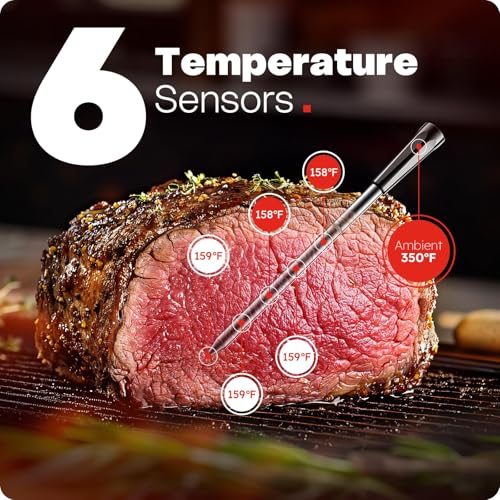
Probe placement is the number one reason for odd readings. Most wireless probes have multiple internal sensors along the shaft, and the tip must be fully inserted into the center of the muscle to measure correctly. If the tip touches bone, sits in a fat pocket, is too shallow, or rests against the pan or grill, you will see a reading that is much higher or lower than the actual internal temperature.
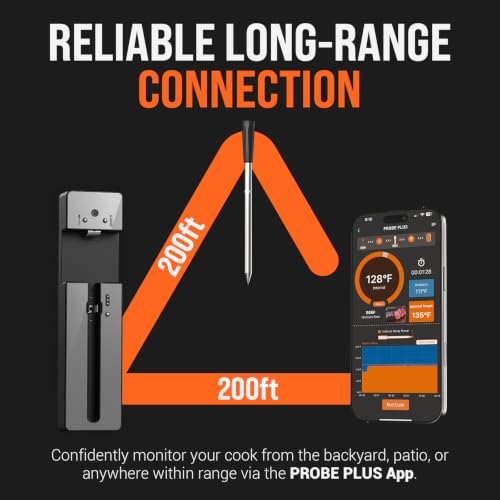
Wireless signal problems can also make readings look inaccurate. Bluetooth and Sub-1G connections can drop, lag, or freeze when the grill lid is closed, when walls or appliances block the signal, or when you move too far from the base. When the app or display loses real time updates, it may show an old temperature or jump suddenly when it reconnects, which feels like an accuracy problem.
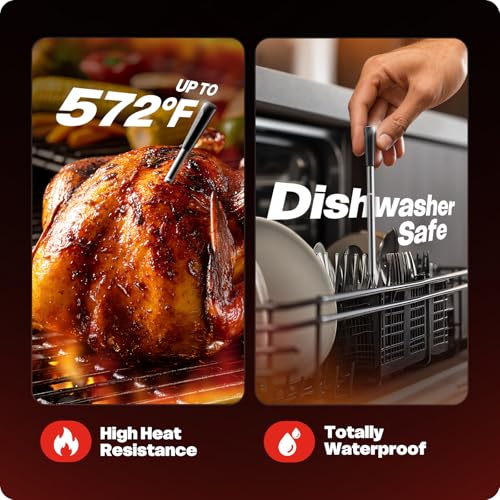
Residue, moisture, and heat exposure cause drift over time. Grease buildup, stuck-on food, or water in the charging contacts can insulate the sensor and slow its response. Leaving the probe in very high ambient heat beyond its rated limit or not allowing it to cool between cooks can also affect calibration. For outdoor setups like those in best pizza oven outdoor for backyard, high surrounding heat can confuse the ambient sensor if you misread which number is which.
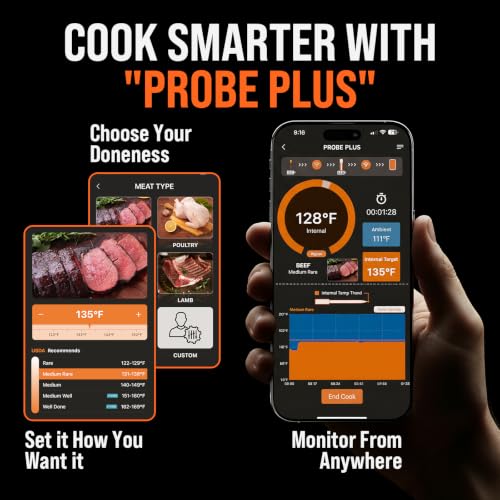
Low battery and app confusion are other frequent culprits. A probe that is not fully charged may report unstable temperatures or disconnect mid-cook. You might also be looking at ambient temperature instead of internal temperature in the app, or the app may need an update or a simple restart to sync correctly. This is similar to other temperature tools, as explained in how to use compost thermometer, where correct insertion depth and clean sensors matter for a valid reading.
Fixes to Try
- Reposition the probe correctly. Insert it into the thickest part of the meat, centered side to side and top to bottom, with the minimum insertion line fully covered and the tip not touching bone, fat, or the cooking surface.
- Clean and inspect the probe. Let it cool completely, then wash it gently with soapy water, rinse, and dry the shaft and charging contacts thoroughly, and check for bends, cracks, or heavy discoloration near the tip.
- Verify accuracy with ice water and boiling water. Fill a glass with ice and water and let it sit, then insert the probe tip, it should settle near 32°F, and in gently boiling water it should settle near 212°F at sea level, which helps you confirm if the probe is drifting.
- Restore power and connection. Fully recharge the probe and base, move the base closer to the grill, keep the lid closed as much as possible, and restart the app or re-pair the probe to the base to clear a lagging or frozen reading.
- Confirm you are reading the right sensor. In the app or on the base, check whether you are viewing internal meat temperature or ambient grill temperature, and set your target alert for the correct one so you do not mistake one for the other.
When to Consider Replacing It
If readings stay inconsistent after you have repositioned, cleaned, recharged, and re-paired the probe, and verification with ice water still shows a large offset, the sensor may no longer be reliable. Physical damage, a cracked seal, or a battery that no longer holds a charge through a full cook are also signs that repair is not practical. If you would rather replace it than keep troubleshooting, one practical option to consider for 2026 is the Bluetooth Wireless Meat Thermometer with multiple sensors and app alerts.
This article contains affiliate links. If you buy through one of our links, The Yardstead may earn a commission at no extra cost to you. Commissions never influence which products we recommend or how we rank them. Read our Affiliate Disclosure for details.

Prime JoyBear FM213 Bluetooth Wireless Meat Thermometer




As an Amazon Associate we earn from qualifying purchases. Product prices and availability are accurate as of the date/time indicated.
When to Skip This and Call a Professional
These steps are for the thermometer itself and are not ideal for built-in grill electronics, gas lines, or electrical wiring. If your grill, smoker, or oven has a hardwired temperature system that is malfunctioning, shows error codes, smells like gas, or trips a breaker, skip this DIY troubleshooting and contact the appliance manufacturer or a licensed technician. Do not open sealed control panels or modify gas or electrical components yourself, as that is not the right choice for safety and warranty reasons.
Frequently Asked Questions
Why does my wireless meat thermometer read different than my instant-read thermometer?
A small difference is normal because probes measure different spots and have different response times. Try placing both probes side by side in the same thickest spot, away from bone, and allow a few seconds for each to stabilize before you compare.
Why is my wireless thermometer jumping or showing a very high or low number suddenly?
A sudden jump often points to a loose connection, low battery, or the tip moving against bone or the grill surface. Check that the probe is still fully inserted, recharge it, and move the base or phone closer to re-establish a stable signal.
How can I keep my wireless meat thermometer accurate for longer?
Clean the probe after every cook, dry it completely before charging, and store it in its base or case rather than loose in a drawer. Avoid exceeding the probe’s ambient heat rating, handle it gently to prevent bending, and keep the app updated so alerts and readings stay in sync.
Browse more picks in our Grill & Outdoor Kitchen category, or see our related guide on Pizza Ovens We Recommend for Backyards in 2026.




Write Your Review
No reviews yet. Be the first to share your experience!