

Quick Answer
If your Metal Chicken Run 10×20 gate won’t latch, the most common cause is a slightly shifted or unlevel frame that puts the latch and strike out of alignment. Try lifting and leveling the frame at the gate opening, then loosen and reposition the latch hardware so the bolt slides cleanly into the catch. In many cases this small realignment is enough to get the gate closing securely again without replacing parts.
Before buying, check your local ordinance or zoning rules for keeping backyard chickens, and choose a coop sized to predator-proof your flock.
Why This Happens
These large walk-in runs rely on a light steel tube frame that sits directly on the ground, so even a small amount of settling can move the gate out of square. Soft soil after rain, frost heave, or an uneven yard can let one leg sink a half inch, which is enough to make the latch miss its catch. Wind load on the cover can also rack the frame slightly over time.
Hinge sag is another frequent culprit. The gate on most 10×20 models hangs from simple bolt-on hinges and wire mesh ties, and if those bolts loosen or the mesh pulls, the gate will droop at the latch side. You may notice the top corner rubbing while the bottom swings free, or the whole door sitting lower than the frame. For a broader look at how these frames are built, see this large metal chicken run 10×20 guide which explains common frame and connector designs.
Latch hardware itself is often lightweight and can bend, loosen, or shift. Many kits use a simple spring bolt, eye hook, or sliding barrel latch held with self-tapping screws or zip ties through the wire mesh. If the screws strip, the ties stretch, or the bolt gets bent from being forced shut, it will no longer line up. Added tension from a tight cover or side bracing can also pull the gate posts inward and narrow the opening.
Seasonal changes make the problem come and go. Metal expands and contracts slightly with temperature, and ground moisture changes the level under the feet. That is why a gate that latched fine in summer may stick or miss in winter, and why checking the whole structure in the Chicken & Shed section for seasonal maintenance tips can help you spot movement before it becomes a predator risk.
Fixes to Try
- Check for level and square first. Set a level on the top rail above the gate and look for gaps under the feet. Try lifting the low side, packing soil or patio pavers under the feet, and gently pushing the frame until the gate opening looks square and the door hangs evenly.
- Tighten and realign the hinges. With the gate closed, check if it sags. Loosen the hinge bolts slightly, lift the latch side until the gap is even top to bottom, then retighten. Replace any loose zip ties with sturdy wire or small hose clamps so the mesh does not pull the gate down.
- Reposition the latch and catch. Close the gate and see where the bolt hits. Try loosening the screws for the latch or strike plate, moving it a quarter inch up, down, or outward so the bolt slides in without forcing, then retighten with slightly larger screws if the holes are stripped.
- Square the gate itself. If the gate frame is racked, loosen its corner bolts, measure diagonally from corner to corner, and gently adjust until both diagonals are equal. Add a small diagonal wire or zip tie brace inside the gate if it keeps twisting.
- Clean and lubricate the latch mechanism. Dirt and rust can keep a spring bolt from throwing fully. Try wiping the bolt with a dry cloth, adding a drop of silicone lubricant, and working it back and forth. If it still sticks, consider adding a secondary carabiner or snap hook for extra security while you adjust.
When to Consider Replacing It
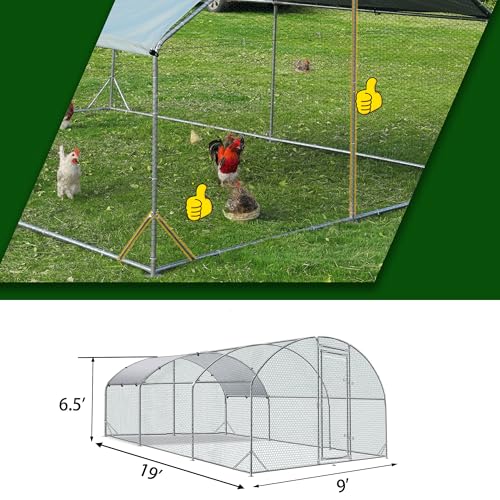
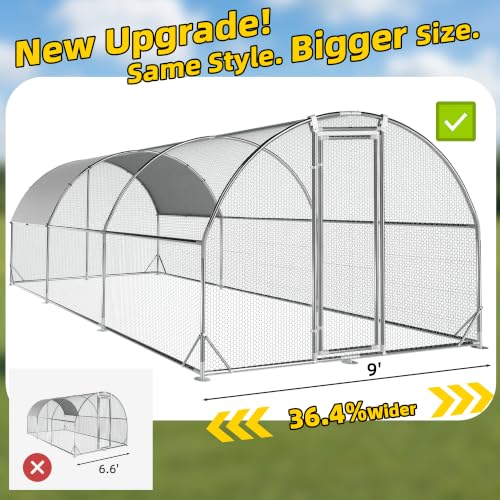
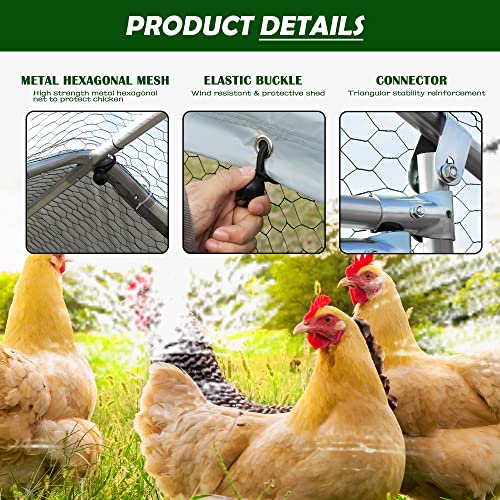
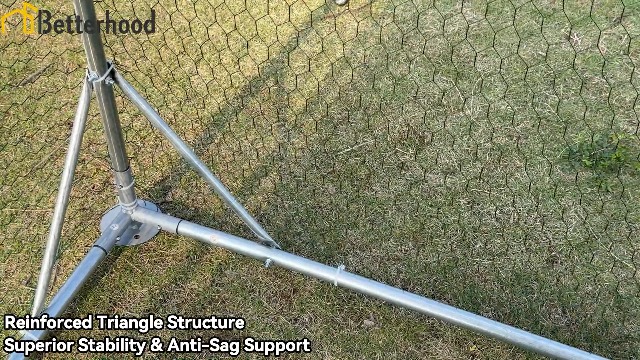
If the gate frame is bent, a weld is cracked, the latch post is badly bowed, or you have to realign it every week, repair stops making sense. Repeated forcing can oval out the hinge holes and warp the mesh, which leaves gaps predators can exploit. If you would rather replace the enclosure than keep troubleshooting an unstable frame, one practical option with a round top and added triangular supports is this walk-in model:
This article contains affiliate links. If you buy through one of our links, The Yardstead may earn a commission at no extra cost to you. Commissions never influence which products we recommend or how we rank them. Read our Affiliate Disclosure for details.

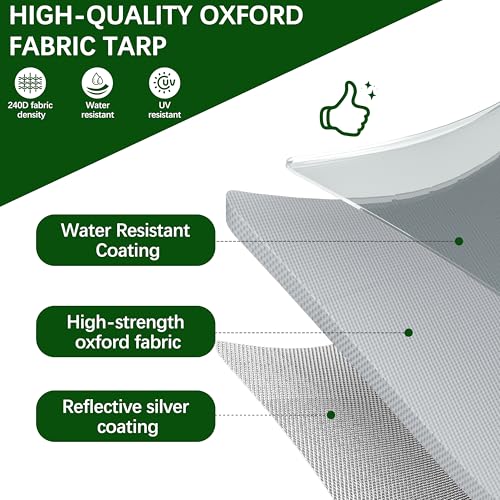
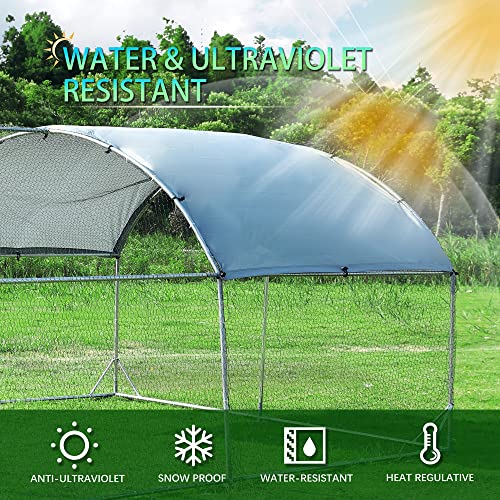
Prime Betterhood Large Walk-In Chicken Run 19x9x6.5ft


As an Amazon Associate we earn from qualifying purchases. Product prices and availability are accurate as of the date/time indicated.
When to Skip This and Call a Professional
This DIY alignment approach is not ideal for gates where the frame is permanently anchored to a shed, concrete footer, or electrical components like an automatic door opener. If the posts are set in concrete and the whole run is leaning, if you see broken welds that need re-welding, or if the gate issue involves wiring, skip this and contact the manufacturer or a qualified installer. Structural re-anchoring and welding are not recommended for a home fix and are not a good fit for a simple latch adjustment.
Frequently Asked Questions
Why does my Metal Chicken Run 10×20 gate latch in summer but not in winter?
Ground movement is the usual reason. Freeze and thaw cycles can heave one side of the light frame higher, and wet soil can let a foot sink. Try re-leveling the feet at the gate and readjusting the latch position seasonally rather than forcing the bolt.
Can I add a padlock or carabiner if the original latch will not catch?
Yes, many owners add a carabiner, snap hook, or small padlock through the latch loop as a backup, but first try to get the main bolt aligned so the gate closes without pressure. A secondary clip helps with predator resistance, but it should not be used to hold a badly misaligned gate shut.
How do I keep predators out while the gate will not latch tightly?
Until the latch is fixed, try securing the gate with a temporary double clip or bungee on both the top and bottom, and check for gaps around the edges where mesh may have pulled away. Also walk the perimeter to look for dig spots under the skirt, and avoid leaving feed inside the run overnight which can attract raccoons and foxes.

Write Your Review
No reviews yet. Be the first to share your experience!